
Washing bedding inserts in hotels has always been a challenge, especially contaminated ones. Linen that is not washed regularly is prone to growing bacteria, mites, yellow stains, mildews, and odors, affecting guest experience.
How to solve these problems in hotels? Hotels typically use three methods: low-temperature slow drying, spot cleaning, and full replacement. But actually, they may not meet guests’ hygienic expectations. Low-temperature slow drying solves problems such as damp inserts and bacterial growth, which fails to remove stains. Spot cleaning is unable to fully remove stains on the surface. Full replacement increases the costs.
So, how to better solve the bedding insert washing problems? At present, the laundry industry has made a breakthrough in washable bedding inserts. Some hotels engaged in practices and had some success. Given the factors such as structure, costs, beauty, insulation performance, customer experience, and service life of bedding inserts, Kingstar suggests avoid excessive washing. Daily use, maintenance, and washing should follow the principle “prevention first, washing secondary”. Laundry plants are responsible for washing.
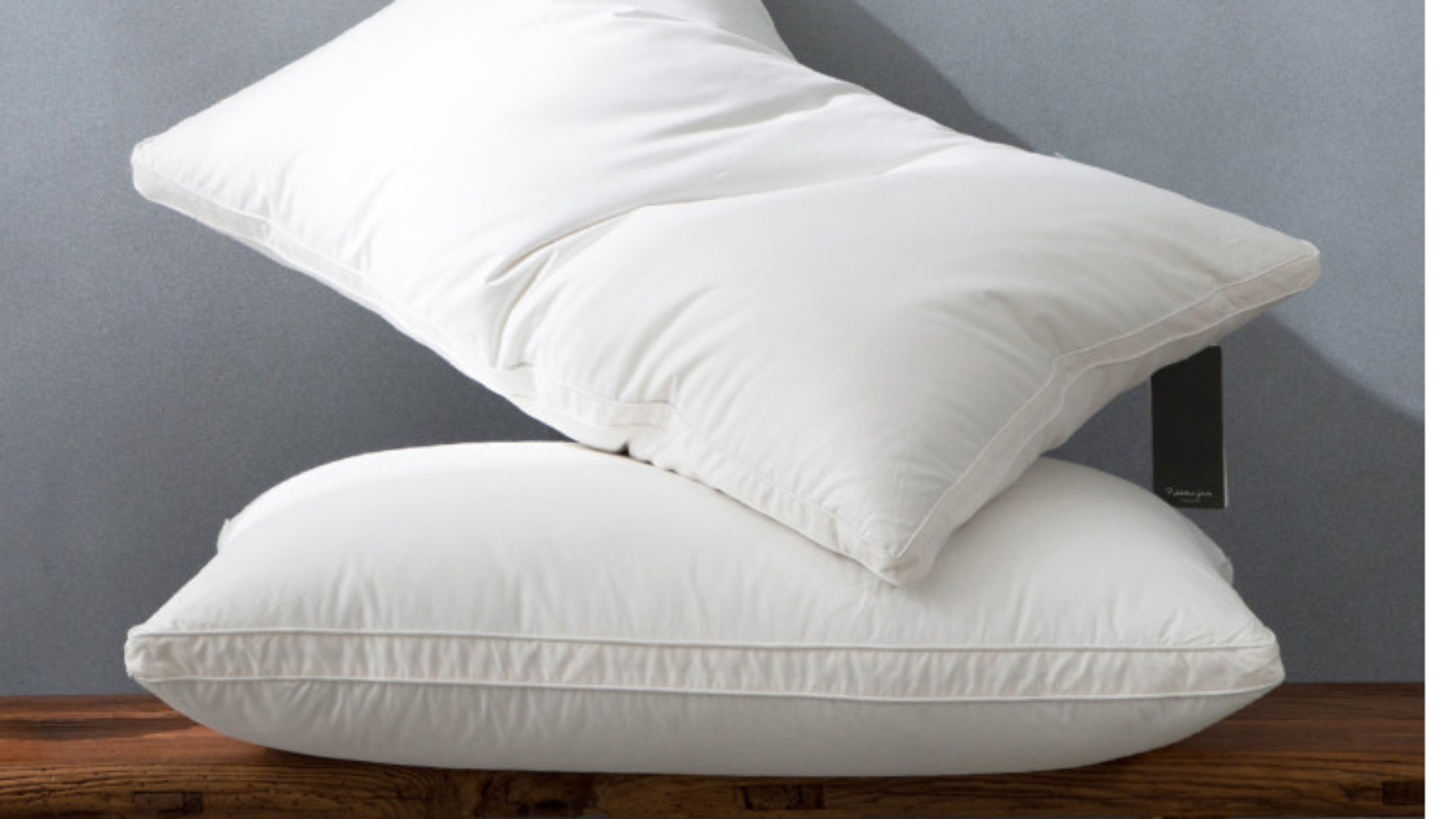
Pillow Inserts
● Protective cover
Down and synthetic pillows use protective inner pillow covers to prevent them from contamination. There are three fabric types. Woven fabric is comfortable and breathable, but has poor protective performance. Three-proof (water-, oil-, and stain-resistant) fabric is breathable and has pollution resistance. Composite fabric has strong protective performance but slightly worse breathability and comfort. The knitted composite inner pillow cover has a soft texture and is pollution-resistant.
● Antibacterial filling
Fibers made of antibacterial polyester masterbatch efficiently stop the growth of Staphylococcus aureus, Escherichia coli, and Candida albicans. They can keep clean and have no unpleasant odor. Due to its built-in antibacterial properties, their performance remain effective over long-term use. Therefore, it is necessary to select the products with guaranteed quality.
● washing method
For down pillows with pure cotton covers, shrinkage after washing is unavoidable. High-end cotton fabrics with a low shrinkage rate ensure their stable size. Polyester fabrics should be breathable.
Quilt & Pad Inserts
● Quilt insert prevention
– Three-proof fabric
Through the padding process of the finishing equipment, the woven fabric has better protective performance (water/oil/stain resistance). For example, after Teflon three-proof finishing, 40s 133×100 cotton down-proof fabrics for down quilt and mattress protector prevent products from external contamination and reduce their cleaning and maintenance difficulties.
– Antibacterial filling
It is the same as pillow filling, which is made of synthetic fiber. It inhibits the growth of Staphylococcus aureus, Escherichia coli, and Candida albicans to keep clean and have no unpleasant odor.
– Composite fabric
Except for water or oil contaminants, the quilt top section has been exposed to body oils and sweat from the neck area for a long term. It is prone to yellowing and difficult to remove in spite of the three-proof fabric. Knitted fabric with a breathable waterproof membrane reduces the yellowing effects. This breathable and soft fabric has better protective performance against water or oil contaminants and strengthens the soft down-like touch.
– Low-temperature slow drying
Laundry plants use this periodic method to do moisture and odor removal, enhancing customer experience.
● Quilt insert washing
Due to the large filling volume, it is suggested to do long-cycle (1-2 years) washing or spot cleaning to ensure the softness, fluffiness, and insulation performance of products.
– Down quilt insert
After washing, the quilt insert shrinks and has poor fluffiness, affecting its hand feel, insulation performance, and service life. When purchasing, hotels should select quilt shell fabrics with a low shrinkage rate for washable down quilts. Laundry plants should use the low-temperature drying below 60℃。
– Synthetic fiber quilt insert
After washing, the polyester filling is easy to clump and twist, weakening the product’s performance. A Washable quilt insert is made of synthetic fiber filling with a special process, and its price is higher than that of common polyester filling. Laundry plants should use low-temperature drying below 60℃.
Mattress Protector
Due to the lower filling volume, sheet-form bonded cotton, and quilting density, this product can be directly washed. No matter what the fabric material is, it should meet the requirements of a low shrinkage rate and uneasy down leakage.
Three-proof fabric has the protective function (water/oil/stain resistance). Direct water washing is not needed; just wipe with a dry or damp cloth.
Mattress Topper
Due to the large filling volume, it is suggested to do long-cycle (1-2 years) washing or spot cleaning.
A down-filled mattress topper should use fabrics with a low shrinkage rate. After washing, laundry plants use low-temperature drying below 60℃. Besides the low shrinkage rate, synthetic fiber filling should use the washable fibers with specialized technology and be dried at the same temperature.
Three-proof fabric has the protective function (water/oil/stain resistance). Direct water washing is not needed; just wipe with a dry or damp cloth.
Antibacterial filling material (synthetic fiber core products) can stop the growth of Staphylococcus aureus, Escherichia coli, and Candida albicans, and produce no unpleasant odor.
Mattress
Mattresses intended for long-term use are generally maintained through spot cleaning only. It is suggested to make a protective cover for it, which reduces dirt and contaminants and maintains a like-new appearance of the mattress. The protector pad should be regularly washed.
Q&A
Q1: Do hotels wash the bedding inserts?
A1: Yes, pillow and quilt inserts are washed regularly.
Q2: How many linen sets can Kingstar’s roller and chest ironers process per hour?
A2: 350 sets.
Q3: What’s the energy consumption of Kingstar’s direct-fired dryer?
A3: A 120 kg direct-fired dryer can handle 120 kg of towels while consuming 7m³ of gas.
Post time: May-19-2026