
For linen laundry plants, inconsistent wash quality may cause more than rewashing compensation costs and customer loss. It makes on-site management harder. Energy and water consumption and labor costs also increase. Therefore, consistent wash quality is essential for the operation of the entire laundry plant.
Consistent chemicals mean reliable results in each batch and season. Their performance remains consistent during manufacturing and use.
Manufacturing Consistency
Consistent performance starts with production. If chemical quality varies at the production stage, consistent results are hard to achieve, even if chemicals are used carefully.
Choose products from large manufacturers. Chemical consistency depends on consistent materials. Some small plants may offer low-cost chemicals. However, changes in materials may cause different results. Large manufacturers have reliable material suppliers and manufacturing processes. With extensive experience, they provide consistent chemicals. Also, they offer more solutions for laundry plants.
Operation Consistency
Consistent performance depends not only on manufacturers but also on how chemicals are used. Improper usage and inconsistent dosing affect results even with better chemicals. Consistent performance relies on operators and equipment.
Reliable operations deliver consistent results. If chemical dosage heavily relies on operator experience, consistency is difficult to maintain. Once an operator takes a vacation or leaves the company, new workers often need a long time to learn. Wash quality may vary. However, Kingstar smart equipment reduces reliance on operator experience.
It uses a smart dosing system. Programmed settings precisely ensure consistent wash quality. Besides, dosing time, dosage, and wash temperatures are also controlled by preset programs. Key parameters (such as wash, rinse, and neutralization time) are all calculated carefully. The whole process requires no manual intervention. Wash quality becomes more stable and consistent.
● Kingstar heavy-duty industrial washer
It connects to automatic dispensers for fully automated dosing. Set key parameters (such as dosing and wash time) in relevant laundry programs. The equipment completes the wash cycle automatically. Each wash cycle can be standardized and controlled.
By using smart equipment’s precise dosing systems, laundry plants minimize the reliance on operator experience. This helps ensure wash quality at the source.
Choose Chemicals in Extreme Temperatures
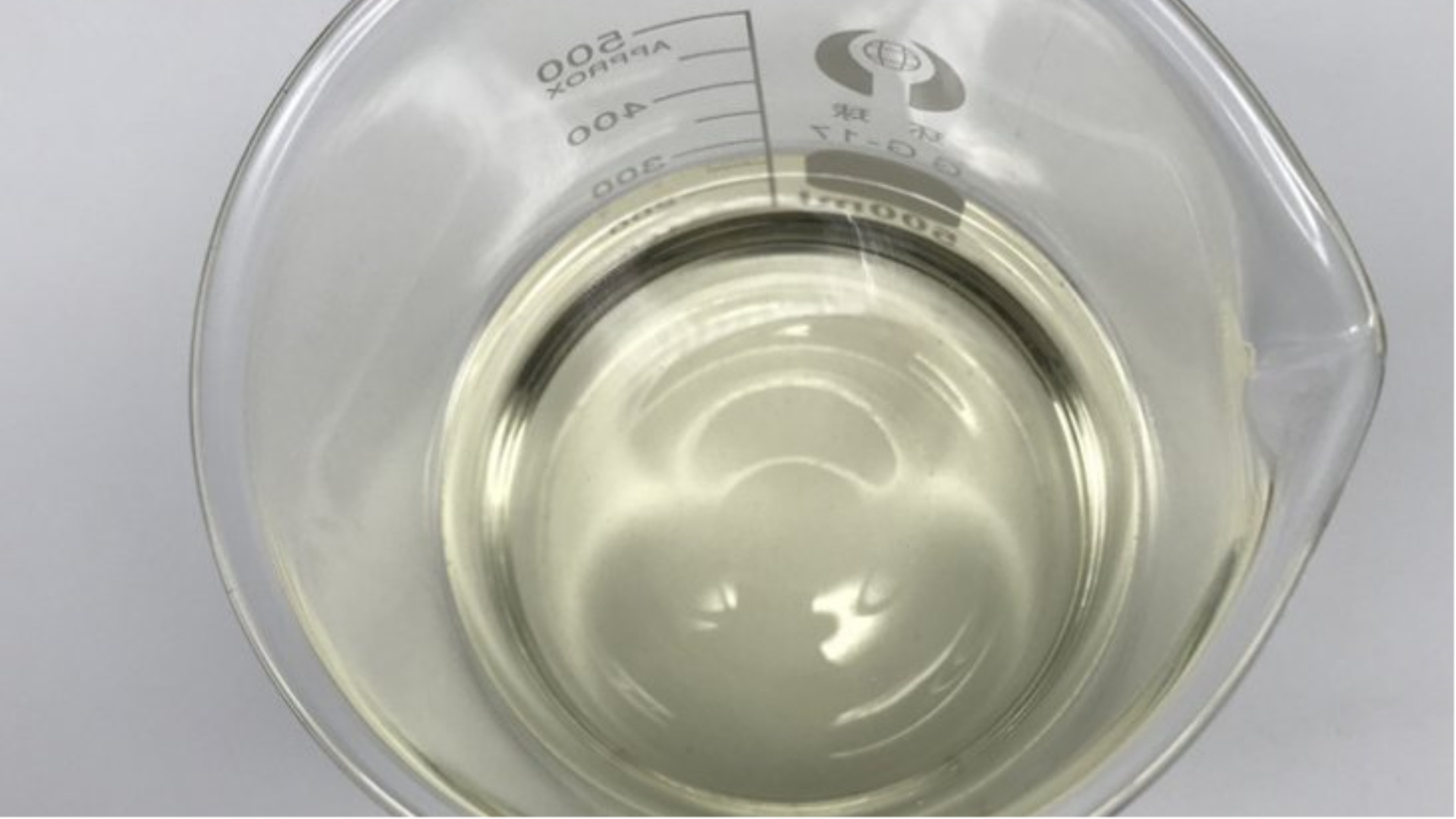
In many areas, temperatures vary greatly between summer and winter. In summer, workshop temperatures may exceed 35℃ while winter temperatures drop to below 10°C or even lower in winter. This change directly affects the use of liquid chemicals.
The same chemicals may deliver consistent results in summer. But in winter, some chemicals flow slowly. And they tend to gel at low temperatures, which affects wash quality.
When choosing and using chemicals, laundry plants in extreme-temperature areas can consider the following points.
First, chemicals’ viscosity is less affected by temperature. Ask suppliers for a viscosity-temperature curve. Focus on the viscosity differences at 5℃ and 35℃.
Second, liquid chemicals have a low pour point. The pour point means the minimum temperature at which a liquid can flow. If the pour point is higher than the minimum winter temperature, chemicals may solidify or semi-solidify in storage and pipes and cannot be dosed normally. If winter temperatures often drop below zero, choose products whose pour point is lower than the local minimum temperature.
Third, calibrate the dispenser before winter and summer. Increase its frequency between seasons. Connect a measuring cup to the dispenser outlet. Activate the pump manually for a certain time. Measure the actual liquid output. Then adjust the pump parameters after comparing them with preset values. Environmental and chemical temperatures can be recorded for tracking.
Fourth, proper chemical storage and pipe insulation. Keep the storage area above 5℃. Avoid storing chemicals outdoors or in unheated areas. Insulate the chemical delivery lines when they pass through low-temperature areas.
Fifth, in some areas, temperatures vary greatly. Storage temperatures cannot be ensured. Choose different chemicals based on seasons.
Choose Chemicals in Hard-Water Areas
In some areas, water hardness is relatively high. Calcium and magnesium ion levels exceed the recommended range (17-68ppm) for linen laundry. Use softened water or hard-water-resistant chemicals for hard-water conditions.
Hard water affects the laundry in many ways. Calcium and magnesium ions bind detergent surfactants and form insoluble soap deposits. This directly consumes effective laundry ingredients and reduces cleaning performance. More chemicals are needed while less effective ingredients are available for cleaning. Meanwhile, soap deposits accumulate on linen. It may become gray and stiff, and its whiteness retention decreases. After using hard water for a long time, soap buildup forms inside equipment. This affects equipment efficiency and service life.
When choosing and using chemicals, laundry plants in hard-water areas can focus on the following points.
First, choose chemicals that are resistant to hard water. Chelating agents can capture calcium and magnesium ions. This prevents them from binding surfactants. Common agents are EDTA-based, sodium tripolyphosphate, and eco-friendly products. Ask suppliers whether products have chelating agents and standard hard-water ranges.
Second, avoid soap-based detergents. They react with calcium and magnesium ions and form insoluble calcium soaps. This wastes chemicals. They also form buildups on linen and equipment. Hard-water areas should use synthetic detergents with anionic and nonionic surfactants.
Third, use softeners or water treatment equipment. If water hardness is high for a long time, the best way is to install water softening equipment. Also, use water softeners during laundry processes. Soften water before the main wash to maintain the effectiveness of the main wash detergents.
Fourth, adjust chemical dosage and laundry processes. In hard water, more chemical components resist calcium and magnesium ions. Less effective components work for removing stains. Add main wash chemical dosage moderately if water cannot be softened. Also, extend main wash time. Softeners are more effective than increasing chemical dosage.
Fifth, choose acid neutralizers considering water quality. Linen easily loses whiteness in hard-water areas. Choose premium acid neutralizers for post-treatment. They can not only adjust linen pH value but also reduce residual calcium and magnesium deposits on fibers. This helps improve linen hand feel.
Practices for Linen Laundry Plants
● When choosing chemicals
Don’t focus only on unit prices and one trial result. Pay attention to suppliers’ material sourcing, manufacturing processes, R&D capabilities, quality control systems, and after-sales services. See whether they can supply products consistently. Meanwhile, ask for clear product requirements based on local climate conditions and water quality.
● When using chemicals
Build standards, including incoming inspection, sample retention and observation, batch records, staff training, dispenser calibration, and daily checks. Turning reliance on experience into following standards. Thus, reliable results can be delivered. In extreme temperatures, set winter and summer dispenser calibration parameters and strictly follow the standards. In hard-water areas, build regular inspection systems for water quality. Adjust chemical solutions based on variations in water quality.
● Assess cleaning performance
Don’t only see the whiteness of one batch of linen. See its cleanliness, whiteness, pH value, residues, and rewash rate in different batches. Consistency is more important than occasional excellent performance.
Conclusion
Chemical consistency is essential for consistent wash quality, but not the only one. Wash quality is limited by operation, fabrics, equipment, water quality, and processes. Thus, focus on consistent chemicals and standardized use. Also, consider weather conditions and water quality. So wash quality can be kept consistent. This satisfies customers and gives operators peace of mind.
Q&A
Q1: Can powder chemicals be used in extreme temperatures?
A1: Powder chemicals can be used after complete dissolution. But it is difficult to control the dosage. So try to choose liquid chemicals and dispensers.
Q2: How much linen can a Kingstar tunnel washer process per hour?
A2: A 60 kg tunnel washer can wash and dry 1.8 tons of linen per hour.
Q3: Can a tunnel washer damage linen?
A3: No. Tunnel washers are more standardized. For example, linen is weighed before entering the wash cycle of a Kingstar tunnel washer. The machine will give an alarm for overloaded or underloaded conditions. During pressing, linen is pressed in different stages for better protection. Kingstar tunnel washers can significantly reduce linen damage.
Post time: Nov-06-2026