
Laundry plant operators often face lint and dust issues. From entering to leaving the plant, linens go through many cycles, such as sorting, washing, ironing, folding, and packing. Every cycle may generate lint or attract dust. After a long time, a large amount of lint and dust accumulates in the workshop. This not only affects the working environment but also harms workers’ health.
Where do lint and dust come from? How can laundry plants effectively address this issue? This article will analyze some main causes and introduce practical solutions.
Four causes can lead to lint and dust issues in laundry plants: internal and external plant environment, static electricity, laundry equipment and linens as well as chemicals.
Environment Management
Laundry plants are located in areas with heavy dust and lint. It is easy to introduce pollution sources. Besides, workers load and unload equipment inside the plant. They enter the workshop without changing their shoes. Plants have poor sealing performance. Outdoor dust and lint are prone to getting into the inner space.
To solve this issue, the effective way is to strengthen internal management. Laundry plants should specify that vehicles are forbidden to enter the internal plant. All the loading and unloading should be completed outside the plant. Some laundry plants have two floors. The first floor is the clean area, while the second floor is the sorting area. Soiled linens are unloaded outside the back door. They are delivered to the second floor for sorting through the freight elevator. Clean and soiled areas are separated strictly. Workers should regularly clean the internal and external environment. Wet-mopping floors can increase ground moisture levels. This also prevents dust and static.
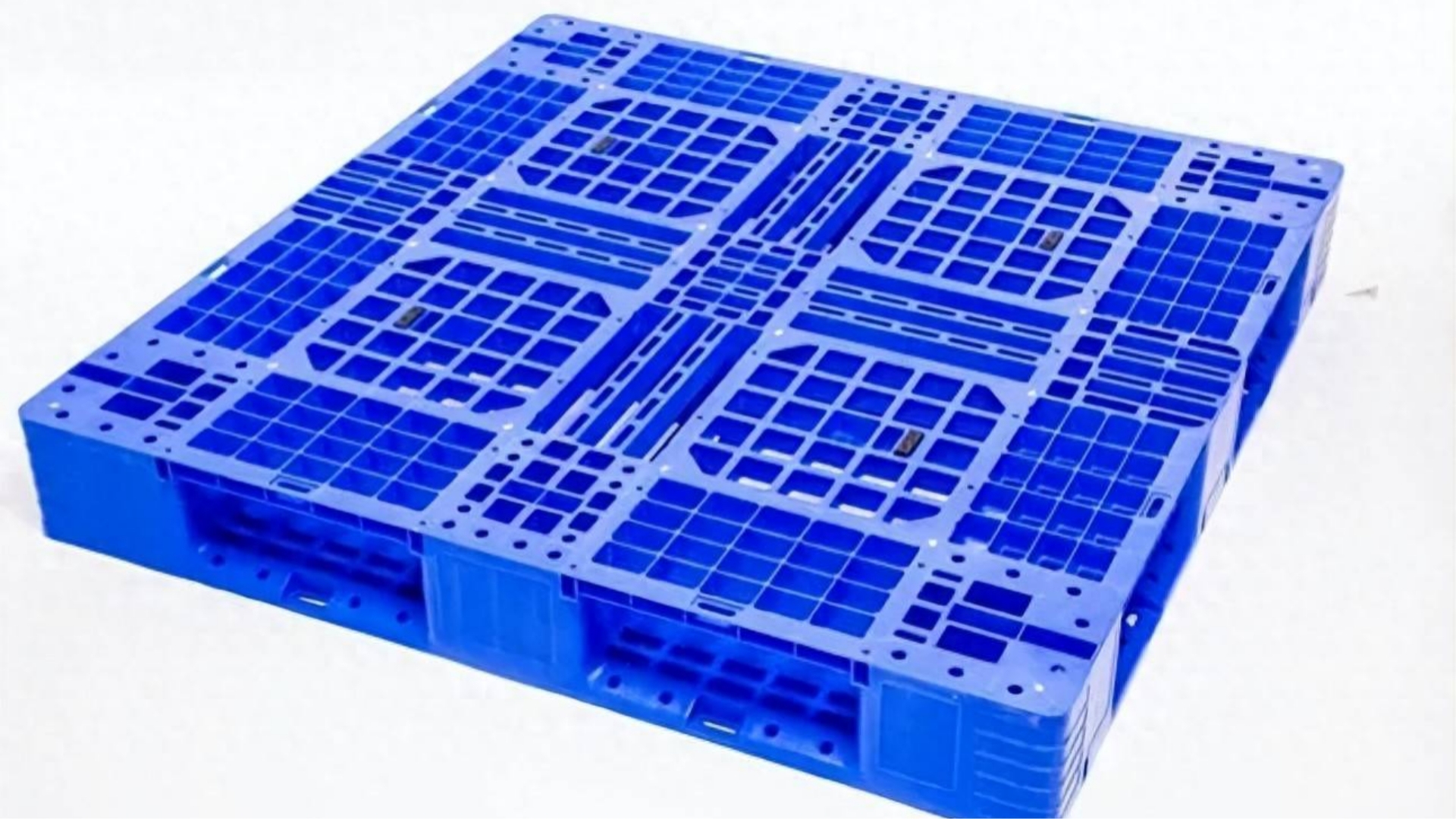
The sorting cycle is also easy to produce much lint. If not cleaned in time, lint will adhere to the next batch of linens. Cross-pollution will occur. In the sorting area, some laundry plants place plastic pallets with holes. Lint naturally falls into the holes. Only by regularly cleaning the pallets can plants significantly reduce lint issues.
Static Removal
Static electricity is a main cause of dust and lint issues. In dry weather, floors, walls, and ceilings of laundry plants are prone to producing static. They attract dust and lint in the air, affecting the cleaning performance. If the electric equipment doesn’t connect the grounding wire correctly, it will generate static. This makes the surrounding dust worse.
To address the static issue, laundry plants should increase cleaning frequency to keep workshops clean. Then, all electric equipment must connect the grounding wire. The ground resistance should be controlled below 4 ohms. This can reduce the accumulated dust and lint, while protecting workers’ breathing health.
During the ironing stage, excessive drying may develop static issues. For example, a Kingstar ironer has a dual-feed steam system and an automatic steam pressure control system. If the steam pressure is controlled within 3 bar, this can effectively prevent bed sheets from static issues caused by over-drying. Equipped with double anti-static bars, a folder can remove static. Dust and lint attraction can also be reduced.
Equipment Upgrade
Laundry equipment and linen features cause lint issues. Linen fibers are easy to shed after a long-time use, especially towel products. These short fibers accumulate to become lint. If not collected or cleaned in time, lint in the workshop will become worse.
A Kingstar tunnel washer is equipped with a water recycling system, which contains an automatic lint filtration design. It can effectively prevent lint from adhering to linens. In the ironing line, there is a linen flapping device and a blower lint recycling filter bag in front of the spreading feeder. They work together to flap and collect lint from bed sheets and duvet covers. This reduces lint spreading. A tumble dryer uses a shaking and blowing method to clean lint. With a high-power lint collector, it can significantly reduce lint content in the workshop.
Chemical Selection
Chemical selection and usage are also essential. Some chemicals have high alkalinity. Insufficient neutralization may cause fiber scorching while washing. Tiny fibers shed and accumulate to become lint. For light-soiled linens, optimize low-alkalinity chemicals and carry out neutralization steps. This can not only reduce fiber shedding but also reduce the usage of acid for neutralization. From a long-term view, the linen service life will extend while the client experience will be better.
Conclusion
Laundry plants can address dust and lint issues from four aspects: environment management, static removal, equipment upgrade, and chemical selection. Each laundry plant can find the main cause and take effective measures based on its real condition. Routine cleaning and standardized operation will significantly improve the workshop environment.
Q&A
Q1: Does Kingstar have chest ironers?
A1: Yes, Kingstar has flexible and fixed chest ironers. The heating method includes steam and gas heating.
Q2: How to clean the anti-static bars of a Kingstar ironer?
A2: A Kingstar ironer has two anti-static bars. Before cleaning, shut down the machine and cut off the electricity. Use an air gun to blow one side of the anti-static bar. Clean lint and dust once a week.
Q3: What specifications does a Kingstar tunnel washer system have?
A3: The tunnel washer system has 60 kg and 80 kg capacities. The heating method includes steam and gas heating.
Post time: Jun-24-2026