
Laundry plants are continuing to upgrade their laundry equipment. They are gradually replacing traditional machines with efficient equipment, including tunnel washers and fully automated industrial washers. During the process, liquid detergents have become a mainstream choice in the laundry industry. Among different types of liquid chemicals, the main wash detergent is the core and widely used product.
However, the quality of main wash detergents varies in the market. For example, the price of common products in 60-liter drums ranges from several hundred yuan to over a thousand yuan. When purchasing, many laundry companies are confused about this condition. Is the expensive detergent better than others? How to evaluate the true quality of a main wash detergent?
This article will talk about this topic from three parts: different types of main wash detergents, the product system of manufacturers, and choice strategy.
11 Types of Main Wash Detergents
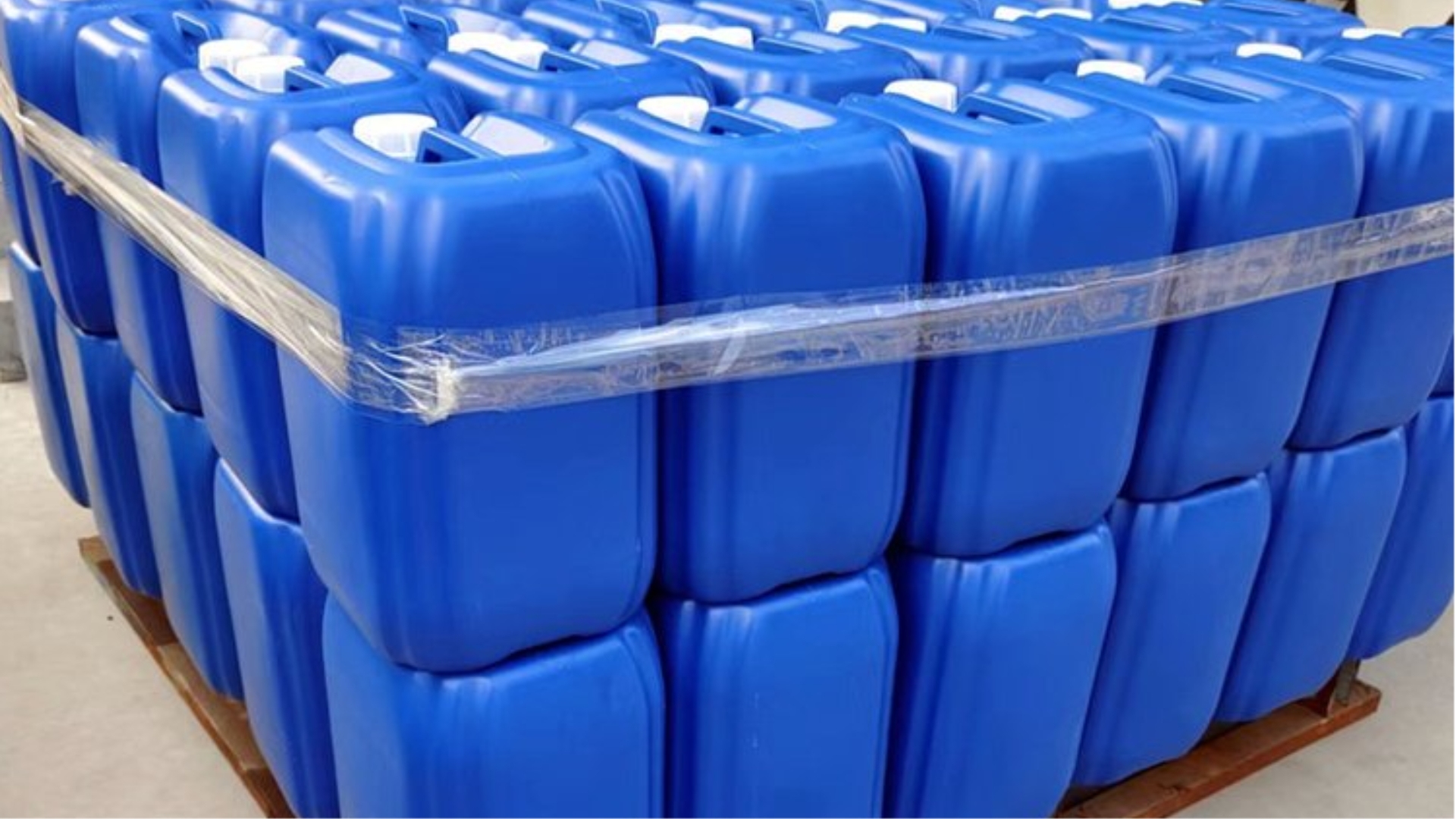
In the market, a main wash detergent cannot fit all the laundry plants and various linens. Therefore, laundry plants should purchase products based on actual usage scenarios and different properties. Common main wash detergents can be divided into the following 11 types.
● Use
Detergents are mainly used for public textiles (such as hotel and restaurant linens, “for hospitality use”) and healthcare textiles (“for healthcare use”). Both of those products have different standards of disinfection and stain removal.
● Appearance
Detergents can be divided into clear and light-proof types. The latter often contains functional additives.
● Viscosity
Detergents are classified into three types: low, medium, and high viscosity. The viscosity affects the dosing control. If a laundry plant uses an automatic chemical dosing system, it should adjust the dosing time according to the viscosity.
● Surfactant content
Standard formula: surfactant content ≥ 15.0%
Concentrated formula: surfactant content ≥ 25.0%. It has a strong soil removal performance. And it needs less dosage.
● Washing temperature
High-temperature (70–80℃): For heavily soiled and heat-resistant textiles.
Low-temperature (≤ 50℃): For delicate fabrics. It can also save energy.
● pH value
Neutral: pH 7.0–8.0
Mild: pH 8.0–9.5
High: pH 9.5–10.5
Higher alkalinity brings better grease-removal performance. But this causes fabric damage and skin irritation.
● Structure type
Homogeneous formula: Widely used on the market with a uniform and consistent state.
Structured formula: A special liquid crystal structure. Its appearance is like uniform starch. The surfactant is arranged orderly. Detergent builders remain suspended. The solid content is over 35.0%. This detergent is an ultra-concentrated, high-end product. Its price is high.
● Hard water resistance (total hardness unit: mg/L)
Soft water: ≤100
Medium hard water: 100–300
Hard water: 300–450
Ultra-hard water: >450
Select detergents based on the water quality of laundry plants. Misuse is prone to developing soap deposits, affecting the washing results.
● Freeze resistance (based on different areas and seasons)
Common freeze resistance: It doesn’t freeze in 48 hours at -5℃.
Strong freeze resistance: It doesn’t freeze in 48 hours at -18℃.
In low-temperature areas, the freeze resistance of liquid chemicals becomes noticeable during transportation and storage.
● Fabric type
Detergents are used for cotton, synthetic, silk, and wool fabrics. Different fabric types have different washing requirements.
● Soil level
Detergents can be used for heavy-soiled and medium-soiled textiles. It helps precise dosing and avoids wastage.
Product System of Manufacturers
Today, detergent manufacturers produce limited main wash detergents, only 1-2 types. Combined with other detergent builders, there are a total of 5-6 types. They provide the same products for various clients. And they only adjust the dosage according to different washing conditions.
This method is suitable for the initial stage where liquid detergents enter the laundry industry. Chemicals should be used according to client demands, such as the equipment used by the laundry plant (tunnel washer or industrial washer), water quality, environmental temperature, different fabric types, and soiling levels. Only by deeply understanding the actual conditions can the laundry plant choose a proper main wash detergent. This can truly improve washing quality and operational efficiency.
Choice Strategy
When choosing a main wash detergent, laundry companies should not only consider the price but also first know the following key information from chemical manufacturers:
1. High-temperature or low-temperature formula?
2. Standard or concentrated formula?
3. How is the hard water resistance? What water quality is the detergent suitable for?
4. Homogeneous or structured formula?
5. Common or strong freeze resistance?
6. What fabric types is the detergent suitable for?
7. Is the detergent designed for heavily soiled or lightly soiled laundry?
Only after understanding the above information can laundry plants make a proper price comparison. This helps them select a usable product. At the same time, many laundry plants have various types of linens. Climate conditions vary greatly across different places. Only one detergent type cannot meet the needs. Therefore, the comprehensive information helps laundry plants choose the correct main wash detergent. Otherwise, a detergent with a lower price doesn’t fit the washing requirements. This will cause linen damage, poor cleaning performance, and increased costs.
Conclusion
Main wash detergents may be a minor product. However, they significantly affect the washing quality, operational costs, and client reputation of laundry companies. A professional laundry process starts with a correct choice of detergents.
Q&A
Q1: How can a Kingstar industrial washer dose chemicals?
A1: The washer uses an automatic chemical dosing system. It can add chemicals to the detergent compartment before laundry.
Q2: How can a laundry plant choose the chemical dosage?
A2: Chemical dosage relies on laundry volume and active matter content. Chemical suppliers set the parameters according to laundry plant conditions.
Q3: Can a tunnel washer be used with powder chemicals?
A3: Use liquid detergents for a tunnel washer. This is more convenient and smarter. Powder or liquid detergents are used for an industrial washer.
Post time: Jun-18-2026