
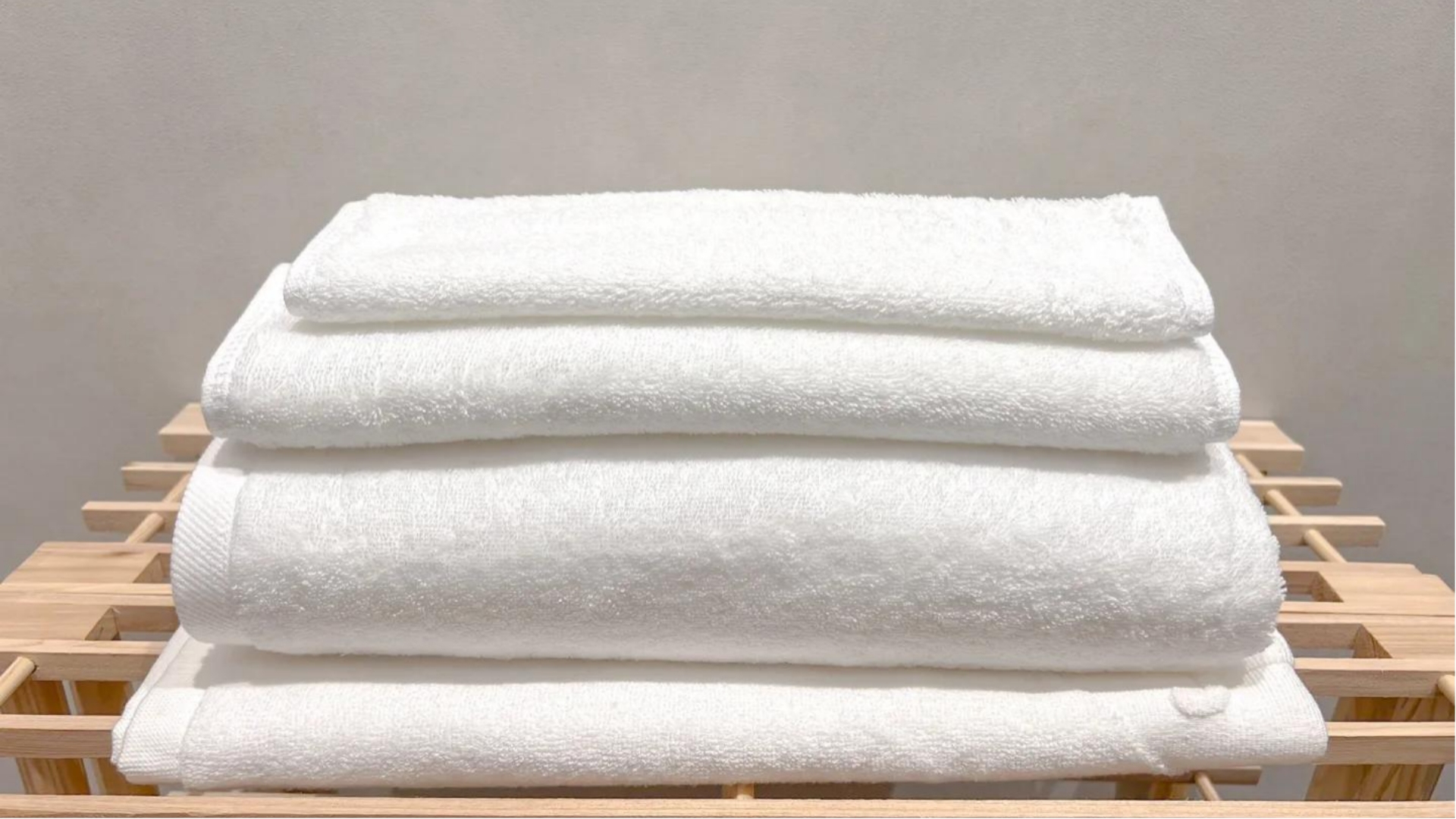
The softness of linen is the most intuitive experience indicator for guests when they come into contact with it. When customers are in hotel rooms, they come into contact with linen 70% of the time. The fluffiness and softness of towels are the most likely to show the washing quality, so the softening treatment of the fabric becomes a very important step. The scientific use of softeners is the key to keeping linen soft and fluffy.
Softener and linen fiber have affinity with linen fibers. They improve the softness and fluffiness of conventional linen (cotton, linen, and chemical fibers) and effectively reduce the generation of static electricity in the linen. In the operation of the industrial washers or tunnel washers, the addition of softener should follow the standardized process. Currently, liquid softeners are the mainstream choice for most laundry factories. When using them, three core points need to be controlled to ensure the effect and operation norms.
Three Core Points for Liquid
● Precise dosage
The dosage should be determined according to the actual loading volume of the linen in the laundry equipment and the instructions for use marked on the bottle of the softener. The dosage should not be too much to prevent the linen from becoming sticky. Also, the dosage cannot be too low because it easily causes failure to achieve a soft effect.
● Timing of addition
Industrial washing machines should adopt chemical material dispensers better because the feeding time can be set in the program settings. If there is no dispenser, the softener should be directly added to the washing water during rinsing. This ensures full contact with the linen.
If a tunnel washer is used, there is no need to worry. The tunnel washer washes according to the standard process, and the softener is added at the specified time.
● Washing duration
To standardize cooperation with the washing process, the usage of softener will not increase the time of the whole washing process. After the softener is added, it needs to be washed for 4 to 5 minutes, so it is necessary to determine the time for application. People should ensure that the softener is fully integrated into the washing water, evenly covering the fabric fibers and achieving all-around softening treatment.
The standardized use of softeners can be controlled through the program adjustment of the equipment. Kingstar industrial washing machine can store 50 sets of automatic washing programs with automatic main wash, rinse, and neutralization. With an automatic dispenser, it can achieve fully automatic one-click washing. If there is no dispenser, the detergent can be added to the soap cup box before washing. The detergent will be automatically added when the corresponding washing program is reached.
If people want the washed linen to be still soft and skin-friendly and extend the service life of the linen, they should obey many practical operation precautions during the full washing process, regardless of the usage of softener.
Basic Parameters of Washing
● Detergents
Laundry plants should standardize the usage of detergents and know their characteristics, detergent addition timing, and proper water temperature. The linen after rinsing should be treated with neutralizers to avoid chemical residues from damaging the softness and hand feel of linen.
● pH value
High or low pH value of linen all cause linen damage and stiffness. Insufficient water washing and failure to neutralize treatment after dyeing and printing often cause an unqualified pH value.
After the addition of the softener, the pH value should be 5.5 to 6.5. The water temperature should be 40℃ to 50℃. The washing time for neutralization and softening should be less than 5 minutes.
● Water softening
The calcium, magnesium, and iron in washing water will cause the deposition on linen fibers, so the linen becomes stiff and yellow. Soft water should be used. (≤ 50ppm)
Care for Linen
The linen should not be used extremely frequently. If the linen undergoes several washing for one day and is used continuously, the linen fiber will quickly age. The linen after washing should have a rest time of more than 24 hours and be put into use after one day. The thick and thin towels should be dried in the dryers separately. After the linen is about 80% dry, the cold air should be open to let the linen dry naturally to avoid stiffness and brittleness caused by excessive drying. The new towels and old towels should be treated according to classification. Their dehydration time depends on their different fiber strength.
Laundry Equipment
● Regular check
The laundry equipment should be checked regularly. Staff should grind the burrs on the inner drum in a timely manner and repair the rough parts to prevent the linen from being scratched or worn during washing.
● Disinfection
The equipment should be clean and disinfected properly to avoid secondary pollution.
● Dehydration
The linen load balancing should be good during the spinning. Also, the spinning time should be shortened to avoid mechanical forces from damaging linen.
● Rinse
The time and times should be enough, and the washing programs should be complete to remove residues.
● Detergents
All kinds of cleaning agents in the laundry room are chemical products. The operators need to have professional knowledge, store, and use them in a standardized manner to avoid incorrect mixing. Incorrect addition of materials causes grass damage or a poor cleaning effect.
Pre-treatment and Post-treatment
● Sorting
The sorting task before washing should be detailed. Timely picking out sharp and hard debris mixed in the linen in time can prevent the linen from being torn during washing.
● Linen room
The linen room needs to be cleaned and sterilized every day, covering all areas such as the ground, wall, ceiling, equipment, and facilities. Laundry equipment, operation countertops, and other easily contaminated parts should be disinfected in time after use. Also, the linen room should be tidy and clean to avoid dampness from generating mold on the linen. Linen should be stored separately to avoid mixing. In addition, storage space should be planned reasonably to prevent deformation under pressure and damage to fibers.
Conclusion
The softness treatment of hotel linen is not a single process but a systematic work that runs through the entire washing process. From the softeners, washing parameters, equipment operations, and linen care, every detail directly affects the softness and condition of linen.
Q&A
Q1: Can towels be washed together with bed sheets and duvet covers?
A1: No. Their washing temperature and the duration of towels are different. Also, towels need softener, but bed sheets and duvet covers generally do not.
Q2: Which is better for a laundry plant’s water softening? Resin purification or reverse osmosis (RO) purification?
A2: RO can filter out heavy metal ions and some bacteria and impurities in water, while resin mainly removes calcium and magnesium ions. RO has a better purification effect.
Q3: Which is highly cost-effective? Resin purification or reverse osmosis (RO) purification?
A3: RO purification needs regular replacement of RO membranes, which is relatively more expensive, and also produces wastewater.
Resin purification only needs regeneration salt to flush the resin once it’s saturated. Regeneration salt is cheaper, and it does not generate wastewater.
Post time: Mar-05-2026