
In laundry plant operations, steam is a core energy source. It also accounts for a major share of costs. Every machine (boiler, dryer, washer, and ironer) depends on steam. Proper steam saving can reduce energy consumption and ensure washing quality. This article will provide practical energy-saving solutions in four areas to help laundry plants reduce costs and improve efficiency.
Boiler
If steam is consumed during transmission and operation, this wastes money. Follow the four points below to significantly improve the boiler efficiency.
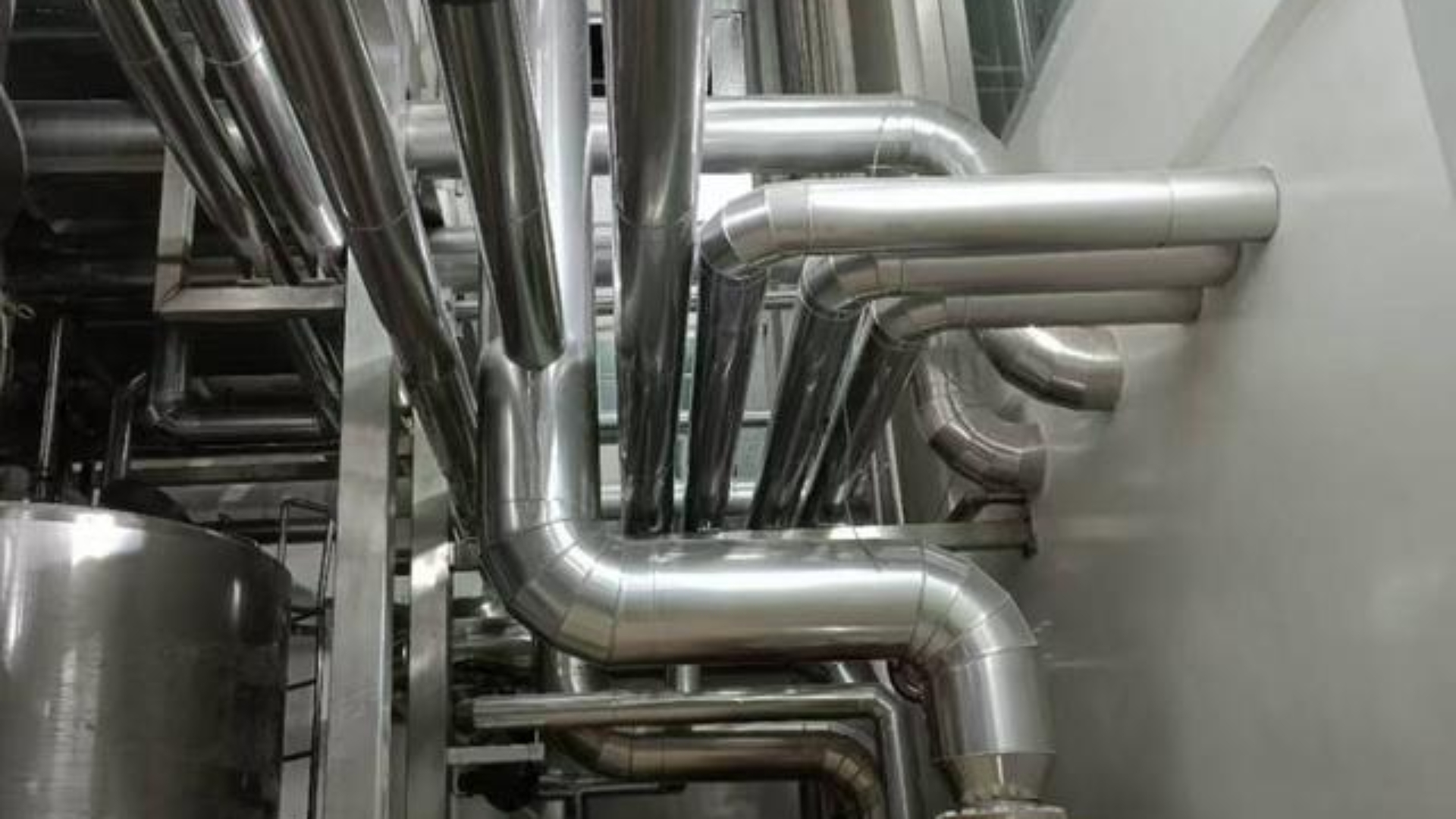
● Insulate steam pipelines
Exposed steam pipelines continue to release heat. A large amount of heat is lost before the steam reaches the equipment. Wrap all steam pipelines and valves with qualified thermal insulation materials. This reduces heat loss by 10%-20% and directly increases profits.
● Set a proper steam pressure
Laundry equipment has steam pressure requirements. Excessive pressure wastes energy. It leads to safety risks. Based on the minimum operating pressure, energy consumption significantly increases with every additional 0.1 MPa. Set a proper pressure according to the equipment manual.
● Regularly clean scale buildup
The thermal conductivity of scale is a small part of that of steel. If scale buildup inside the boiler and heat exchanger reaches 1 mm, fuel consumption will increase by 5%-8%. Regularly cleaning scale buildup ensures sufficient steam and saves gas.
● Prevent minor steam leakage
A minor steam leakage may lose steam worth tens of yuan a day, thousands of yuan a month, and tens of thousands of yuan a year. Regularly check all valves, steam traps, and pipe joints. Promptly repair leakage points to preserve profits.
Dryer
Dryers consume a high level of steam. Proper use and maintenance can save much steam.
● Load based on the rated capacity
Overloading leads to insufficient drying and extended processing time. Underloading wastes steam and equipment space. Strictly load the dryer according to its rated capacity to maximize efficiency.
● Choose machines with a moisture control system
Regular timing dryers easily lead to over-drying and under-drying. Choose dryers with timing and smart moisture control functions. They automatically detect the drying end points to avoid steam loss and protect linens. Kingstar smart dryers are equipped with a moisture control system. They effectively reduce steam consumption. They can also avoid uneven drying.
● Regularly clean lint buildup
In hot air circulation systems, lint buildup reduces heat exchange efficiency. It also increases steam consumption by more than 10%. Filters should be cleaned after each shift. Deeply clean internal air channels every month.
● Maintain proper towel moisture
Full drying consumes more steam and makes towels stiff. Maintaining 3%-5% of residual moisture allows towels to be softer and saves steam. The moisture control technology of Kingstar dryers effectively ensures drying results and avoids uneven drying.
Washer
Washers consume steam when heating wash water. Optimizing washing processes reduces steam consumption.
● Set a proper main wash temperature
Set the main wash temperature based on linen types and chemicals. A higher temperature consumes more steam. It also damages linen fibers.
● Use a single heating cycle
Heat each load once to the target temperature. Do not lower the temperature and reheat in the process. Repeated heating leads to more steam loss and longer wash time.
● Select proper load capacity
Overloading leads to uneven washing. Rising rewash rate indirectly wastes steam. Underloading adds steam consumption per unit and wastes water and chemicals. It is cost-effective to load based on the equipment standard load capacity.
Ironer
Ironers also consume lots of steam. Optimizing operating details can significantly reduce steam costs.
● Increase ironing speed
As long as wrinkles and jams do not occur, adjust the ironing speed to the fastest mode. The slower the speed, the longer the processing time is. This wastes more steam. Properly increasing speed saves energy.
● Feed linens smoothly
Linen wrinkles require re-ironing. This consumes more steam and damages the linens. Spreading feeders help smoothly spread and feed linens into the ironers. This significantly reduces the re-ironing cycles. Before feeding, Kingstar spreading feeders carry out linen spreading, vacuum suction, shaking, and smoothing to ensure flatness.
● Shut off steam during downtime
Equipment still consumes steam during idle operation and standby. Properly arrange workers to have meals and relax in turn to avoid long-term idle operation. If the machines shut down for over 10 minutes, thoroughly shut off the steam valves. Frequent restarting is not more energy-efficient than long-term idle operation. It is suggested to produce and shut down at the same time.
● Regularly check steam traps
Damaged steam traps directly allow live steam to leak into the condensate lines, causing much wastage. Seriously, tons of steam are wasted every day. Check the operating condition of steam traps every month. Choose high-quality steam traps and promptly replace ineffective components. Kingstar uses the UK Spirax Sarco steam trap. It can quickly and precisely remove condensate from the steam system. Therefore, the heating efficiency has been improved to achieve energy savings.
● Use residual heat
When ironing the last batch of linens, shut off the main valve a few minutes early. Use the residual heat inside the pipelines and drums to iron. Some high-end ironers have a steam management function. It can automatically set the shutdown time and make full use of residual heat. This saves steam and maintains ironing results. Kingstar ironers also have a steam management function. For example, if workers have lunch at 12:00, machines can use the residual heat to iron from 11:30. Systems automatically supply steam for ironers at 12:50. Ironers continue working at 13:00. They stop to supply steam at 17:30 and use the residual heat to iron until 18:00. This effectively saves steam.
Conclusion
Steam-saving is not about upgrading a single machine, but a systematic operation. From boiler to washer and ironer, every process contains chances for cost savings. Based on the above methods, check one by one and continue to improve. And you will find it is not difficult to reduce steam costs every month and earn more money every year.
Q&A
Q1: How do a Kingstar pass-through dryer and an industrial dryer achieve thermal insulation?
A1: A Kingstar pass-through dryer uses 3 mm wool felt insulation on its body and door panels. A Kingstar industrial dryer uses the same material for its outer cylinder.
Q2: How does a Kingstar ironer achieve thermal insulation?
A2: A Kingstar ironer achieves it by using thermal insulation materials at both ends of the dryer, around the machine frame, and all steam pipelines.
Q3: What material is used for a Kingstar ironer drum?
A3: It uses boiler carbon steel with a thickness of 11-12 mm. This material can withstand the steam pressure up to 1 MPa. It is safe and reliable while storing much heat. This heats linens more evenly and improves the finished performance.
Post time: Jul-09-2026