
Workshop noise is common in laundry plants. It is also easily overlooked during daily operations. Large equipment, such as tunnel washers, industrial washers, dryers, fans, and steam systems, is used in laundry workshops. They continuously operate with airflow and linen friction. This causes high noise levels. Thus, workshops are often in a noisy environment. Noise pollution can harm front-line workers’ health and disrupt production. It may also reduce equipment service life and increase operating costs. It can even cause compliance risks.
To help laundry plants reduce workshop noise scientifically and optimize the production environment, this article will analyze the causes of noise in laundry plants. It will share systematic solutions for reducing noise. Also, it will explain its comprehensive value.
Core Causes of Noise
Noise in laundry workshops is not caused by a single machine. It is continuous pollution from multiple dimensions and sources. It exists in linen washing, drying, and transfer processes. Noise mainly includes the following types.
● Equipment operation
During high-speed operation, washers vibrate with motor rotation. Dryers and exhaust fans continuously run, causing mechanical noise. These are the main sources of workshop noise.
● Airflow
High-pressure airflow quickly flows in steam pipelines. Airflow creates friction noise in exhaust and supply ducts. This can create constant rumbling noise. It can spread over a wide area with strong penetrating power.
● Impact
During operations, impact noise cannot be overlooked. During linen loading, unloading, and transfer, linen can rub against equipment and metal transfer baskets. Carts may make metal clanging when being moved back and forth. These can further worsen workshop noise.
Therefore, laundry workshops are always in an environment with excessive noise. If exposed to this condition, workers easily suffer from hearing loss, tinnitus, fatigue, and irritability. Besides, a noisy environment can affect on-site communication and processes. It can easily cause operational mistakes. This may disrupt normal production pace. It can hinder standardized and efficient production.
Systematic Solutions for Reducing Noise
The solution is developed based on workshop noise sources, transmission paths, process scenarios, and production characteristics. It can efficiently reduce noise through hardware renovation and daily management.
● Equipment vibration reduction
Mechanical equipment vibration is the core source of low-frequency noise. It is also the key reason for spreading noise. Thus, equipment vibration reduction is essential for reducing noise. Add professional vibration isolation pads or mounts at the bottom of the equipment (such as washers and high-power fans). This can effectively reduce vibration during high-speed operations. Also, this cuts the vibration transmission paths to the ground and machine frames. It significantly reduces low-frequency vibration noise. Besides, Kingstar heavy-duty industrial washers can reduce vibration by up to 98%. They can effectively reduce noise.
Build a normal equipment maintenance and noise reduction system. Add special lubricants for equipment motors, driving bearings, and running gears. This can reduce sharp and jerking noise caused by component friction. Also, replace long-term used and aged fans, damaged impellers, and heavily worn transmission parts in time. This can prevent additional noise caused by faulty equipment. Stabilize equipment conditions at the source and reduce mechanical noise.
● Soundproofing for air ducts
Airflow roar in steam and ventilation pipelines often occurs in laundry workshops. It can travel a long distance. Also, it is difficult to disperse. Thus, it requires soundproof sealing. Apply acoustic lining materials inside exhaust and supply air pipelines. Seal pipeline connections, joints, and gaps through the wall. This can prevent abnormal noise caused by airflow leakage. Also, this can reduce friction roar between airflow and pipe walls. Meanwhile, lengthen acoustic duct silencers based on workshop layouts. Add professional mufflers at fan outlets and main duct openings. This can effectively reduce airflow noise.
Check fixed positions at steam pipelines. Enhance loose pipe clamps and brackets. This can prevent pipe wall resonance caused by high-pressure airflow impact. Also, it helps reduce continuous resonance noise. Meanwhile, organize the piping routes to reduce pipe bends and suspended sections. This can further lower airflow noise.
● Space renovation
Besides noise reduction at the source, noise reflection and spreading can be reduced through sound absorption and soundproof renovation. Also, this can optimize the entire environment. For high-noise areas (dryers, ironers, and fans), carry out zone-based noise reduction. Add sound-absorbing ceiling panels on partitions and walls near equipment. Also, install sound-absorbing ceiling panels. This can effectively absorb reflected and reverberant noise in the workshops. This can also prevent noise from repeatedly generating and quickly lower noise levels.
Besides, upgrade soundproofing for doors and windows. Replace relevant components with better sealing performance. Also, seal door and window gaps. For one thing, this can prevent noise inside workshops from dispersing outside. It can also improve the entire plant environment. For another thing, this can reduce external noise and ensure a stable internal environment. Thus, this creates a quiet and orderly processing space for workers.
● Production management optimization
Besides hardware renovation, standardized production management is the key to long-term noise reduction. It can effectively reduce manual and operating noise. This further avoids excessive noise levels. Stagger the use of high-noise equipment. Scientifically plan production schedules. This can avoid machines operating at full capacity. Also, it can disperse noise output peaks. This avoids multiple high-noise events and maintains a stable noise level.
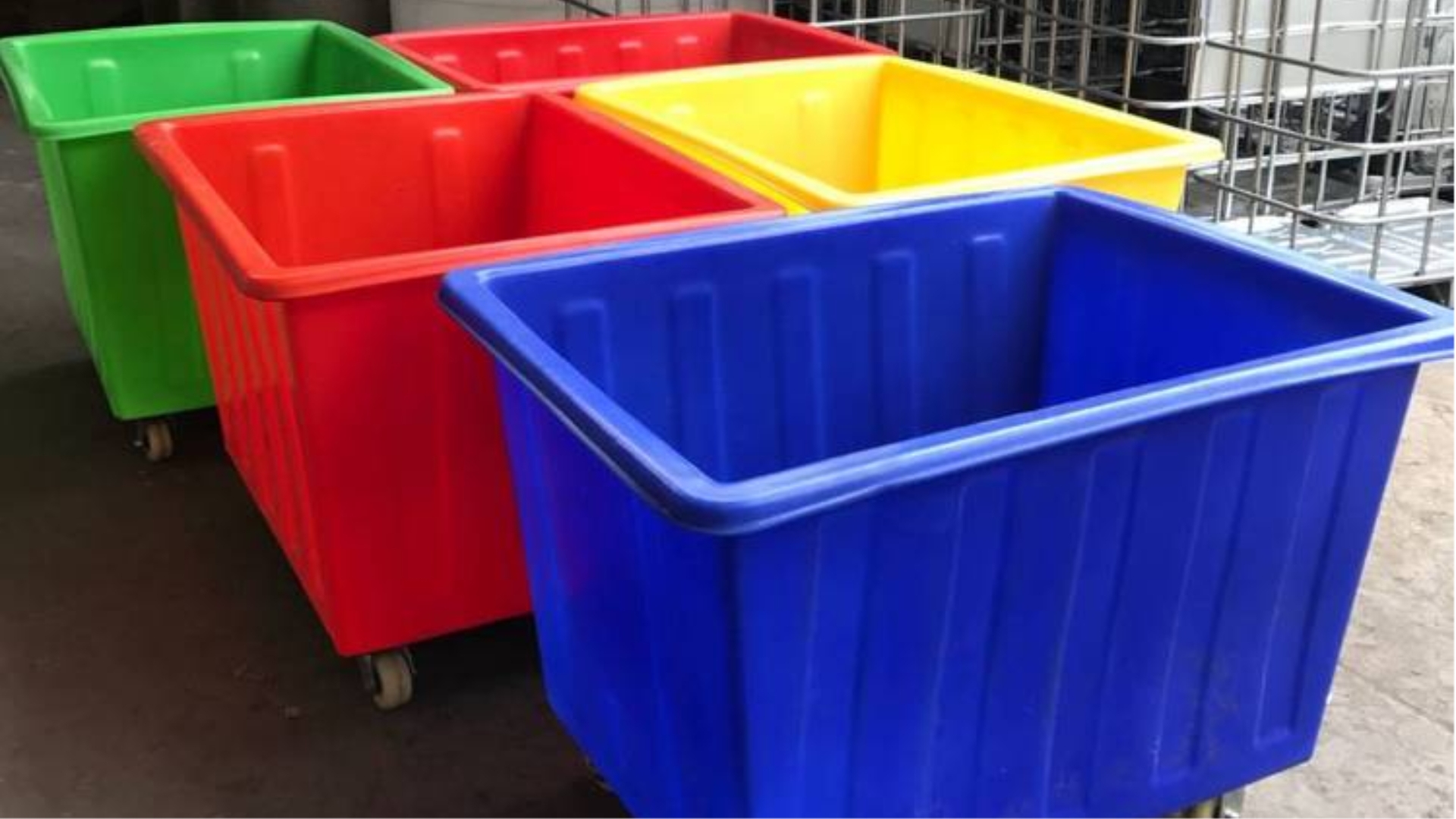
Meanwhile, standardize linen transfer and unloading processes. Workers should handle linens and transfer tools. This can prevent fierce impact noise caused by rough operations. Add silent rubber wheels for all metal transfer carts. This helps reduce metal friction and impact noise when moving carts. Reduce background noise from processing details. Today, many newly opened or upgraded laundry plants start to choose overhead bag conveyor systems. This can reduce the use of linen carts and noise.
In compliance management, renovated workshops can help laundry businesses achieve standardized and green production. Also, this can improve working comfort as well as regulatory compliance and market competitiveness.
Q&A
Q1: What is the capacity of a Kingstar overhead bag?
A1: The front bag can hold 60 kg, while the rear one can hold 120 kg.
Q2: How many overhead bags are required?
A2: It is based on the daily production capacity of laundry plants. If you have any needs, contact us for customized solutions.
Q3: Can Kingstar provide tunnel washer systems for hospitals?
A3: Yes. We can provide practical cases for reference.
Post time: Oct-22-2026