
During hotel and catering operations, tannin stains often appear on linen. But they can be easily mishandled. These stubborn stains can cause linen loss. Many laundry operators often encounter this problem. After washing, light-colored linen still has yellow, tea, or juice stains. Fresh stains become set. Light stains cannot be removed after repeated washing. They may become more stubborn. Most operators know little about the characteristics of tannin stains. They wash the stained linen with hot water and alkaline chemicals. As a result, stains become fixed and penetrate deep into fabric fibers.
This article introduces the sources, core characteristics, and standardized stain removal process of tannin stains, as well as common handling guidelines for unknown stains. It can help standardize front-line laundry operations. It can also prevent manual mistakes. It can help improve cleaning quality and reduce linen damage.
Sources of Tannin Stains
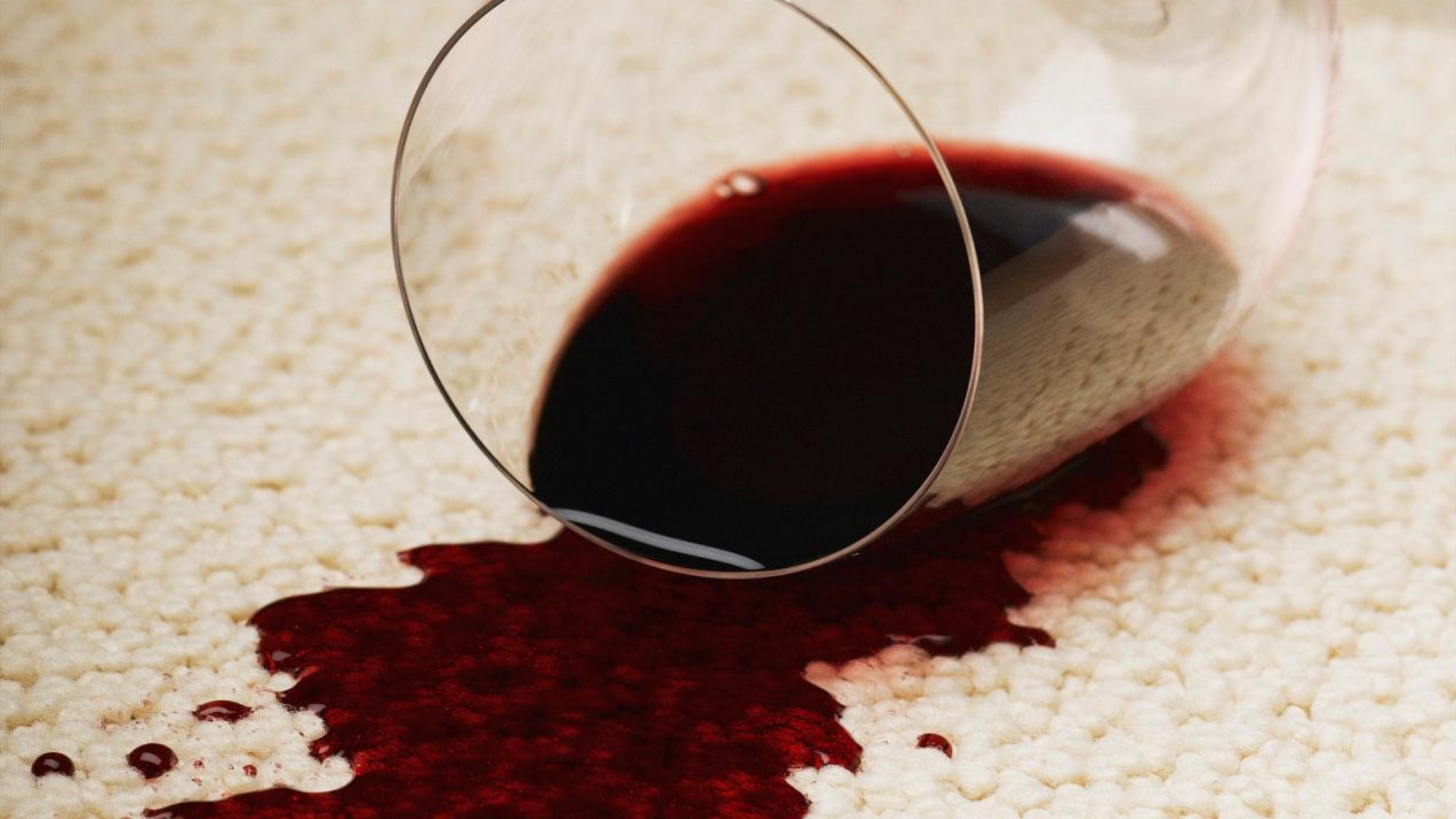
The core component of tannin stains is tannic acid. It is a water-soluble organic substance. It is widespread in natural plants. Unlike regular stains (such as oil, sweat, and protein stains), tannin stains can come from a wide range of sources. They may exist in all types of linen in hotels and restaurants. Common plant-based stains contain a large amount of tannin, such as fruit juice, vegetable juice, moss, and leaf residues. Many beverage stains also contain tannins, such as wine, fruit tea, fruit juice, tea, and coffee.
Besides, many laundry operators often overlook stains in daily life, such as honey, traditional Chinese medicine stains, and cough syrup. They also contain tannin. They can cause stubborn linen stains. Operators often see them as common pigment or sugar-based stains. But regular cleaning cannot thoroughly remove them. More importantly, most tannin stains are complex stains. This is why they are more difficult to remove than common stains. For example, in addition to tannic acid, coffee stains contain milk and sugar. Juice stains are mixed with plant sugar, artificial colorants, and fruit pulp residues. Syrup and traditional Chinese medicine stains contain gum-like residues, sugar, and organic matter. Improper cleaning methods can increase the difficulty in stain removal.
Characteristics of Tannin Stains
To remove tannin stains, the core characteristics of tannin stains cannot be overlooked. Tannic acid can rapidly set when exposed to hot water or strong alkali. It can also oxidize and lead to color fixation. It can penetrate deep into fabric fibers. This forms stubborn stains. During the front-line laundry process, many operators often remove linen stains with hot water and highly alkaline detergents. This seems to strengthen cleaning, but can cause stain setting. Light stains can become severe and set. They are difficult to remove after multiple rinses and rewashes. They can even cause linen discard and increase laundry loss costs.
Stain Removal Process
Considering large-scale operations in laundry plants, Kingstar develops a standardized stain removal process. It can be used for removing fresh and set-in stains. This can reduce the risk of stains setting throughout the process.
First treatment principle:
Cold-water treatment. Do not use hot water.
● Fresh stains
Repeatedly rinse the stained area with running cold water. This can wash away the surface tannic acid, sugars, and pigments. Most fresh stains can be removed.
● Set-in stains
Soak the stained linen in cold water for around 30 minutes. This can soften stains on the linen surface. Tannin content embedded in fibers can also be loosened. This lays a foundation for later stain removal. Do not reduce the soaking time, and do not soak the linen in warm water. Extraction is not required after soaking. Apply or spray dedicated tannin stain remover evenly on the stained area. Make sure that stains are completely covered by the chemicals. Leave it for 3-5 minutes. Chemicals can break down tannic acid, mixed sugar, and gum-like impurities.
After that, rinse the stained area with cold water. This can remove residual stains and chemicals. If light pigment residues still remain on linen, this is normal. Pigments can be removed with low-temperature oxygen bleaching. Do not use chlorine bleaching. Otherwise, chlorine bleach can react with tannic acid. This can lead to oxidized discoloration, dull appearance, and yellowing. This can also cause stiff linen, color fading, and damage. Linen service life can also be significantly shortened.
Handling Guideline of Unknown Stains
During daily laundry processes, operators often need to handle unknown, mixed stains. These stains may easily cause irreversible damage due to improper operations. Thus, front-line laundry operators should follow a standardized treatment process for unknown stains. Do not rely on experience when removing stains. Do not rinse unknown stains with hot water. Do not use strong alkaline detergents. Do not choose high-temperature machine washing.
Standardized procedures:
● Step 1
Rinse and soak with cold water. Stains can be softened, and most water-soluble impurities can be dissolved. This is the first step to reduce stains.
● Step 2
If stains remain on linen, treat them with an acidic stain remover. It can effectively remove most unknown stains (such as plant-based, tannin, and fruit acid stains). It can damage linen fibers and cause stain setting.
● Step 3
If the acid stain remover is ineffective, rinse linen thoroughly. Then treat the stained linen with a neutral and mild-alkaline stain remover. Gradually increase cleaning power.
After stain removal, rinse the chemicals on the linen surface thoroughly. Otherwise, residual chemicals can damage fibers. Linen can become yellowed and stiff. Neutralization treatment can balance the pH level. This can remove stains. It also protects linen quality. This can also reduce linen damage, loss, and rewash rate.
Conclusion
Removing tannin stains requires the right treatment rather than strong cleaning. Follow the principles: cold water comes first, avoid heat and strong alkalinity, use dedicated chemicals, restore color with oxygen bleaching, and avoid chlorine bleaching. For unknown stains, follow the rules: cold water first, gradual chemical operations. This can remove most stubborn tannin stains. Linen rewash and discard rates can be significantly reduced. Laundry plants can improve their laundry quality and handling efficiency. This can reduce costs. Also, it can improve efficiency.
Q&A
Q1: Can a Kingstar ironing line handle pillowcases?
A1: Yes. Choose the manual feeding mode on the spreading feeder, and use a pillowcase folder.
Q2: What is the performance of a Kingstar 650 series roller ironer?
A2: It requires around 300 kg of steam per hour for ironing bed sheets.
Q3: If stains are invisible, can the linen be washed with others in cold water?
A3: No. Batch washing cannot remove unknown stains. They can become set after ironing. Thus, they are difficult to remove.
Post time: Oct-15-2026