
By analyzing the laundry factories of a higher automation level, we, CLM, found out that there are still some key constraints in the current laundry factories in China.
Overall, there are three aspects that stand out particularly. If they are not addressed, Chinese laundry factories will still face great challenges in truly achieving intelligent operation.
Linen Receiving, Dispatching, Sorting, and Circulation
Low-efficiency circulation brings about cost, hygiene, and management issues. In the daily operation of hotel linen washing, an efficient, clean, and standardized linen circulation system is an important foundation for ensuring service quality. However, in many laundry factories, the linen receiving, dispatching, and sorting still rely heavily on manual operations and traditional turnover methods. This mode has low efficiency, and it also brings a series of problems in terms of operating costs, employee health, and the image of factory management.
Problem 1
The handling is troublesome. A large amount of manpower is consumed in the simple transportation of linen.
During the process of receiving and distributing linen, most of the line still relies on cloth or bags for turnover and transportation from receiving to sending. Transport vehicles generally do not have the function of automatic loading and unloading. Therefore, every time a vehicle arrives at the factory, workers need to enter the vehicle compartment to unload the goods manually, and then complete the transportation through turnover carts.
After the linen wrapped in cloth returns to the laundry factory, it often still needs to go through the pre-treatment process of stacking to scattering before entering the sorting stage.
During this process, a large amount of manpower has been consumed in simple handling and displacement. It is not used in the truly valuable washing and organizing work. With the continuous expansion of scale, the impact of this mode on efficiency will become increasingly obvious.
Problem 2
The sorting on the ground has a high labor intensity and hygienic risks. The sorting stage is usually where problems are most concentrated. Due to the limitations of the front-end process, many laundry factories still use ground sorting.
In this condition, staff need to bend over or squat for a long time to operate. The labor intensity is relatively high.
Also, the linen just collected from hotel rooms is often covered with hair, dust, and human dander. If they are sorted directly on the ground, the secondary contamination easily forms.
This has a potential impact on the health of the operators and makes the entire working environment seem less standardized. After sorting is completed, the linen still needs to be sent to the laundry equipment by turnover carts. This adds another handling step.
Problem 3
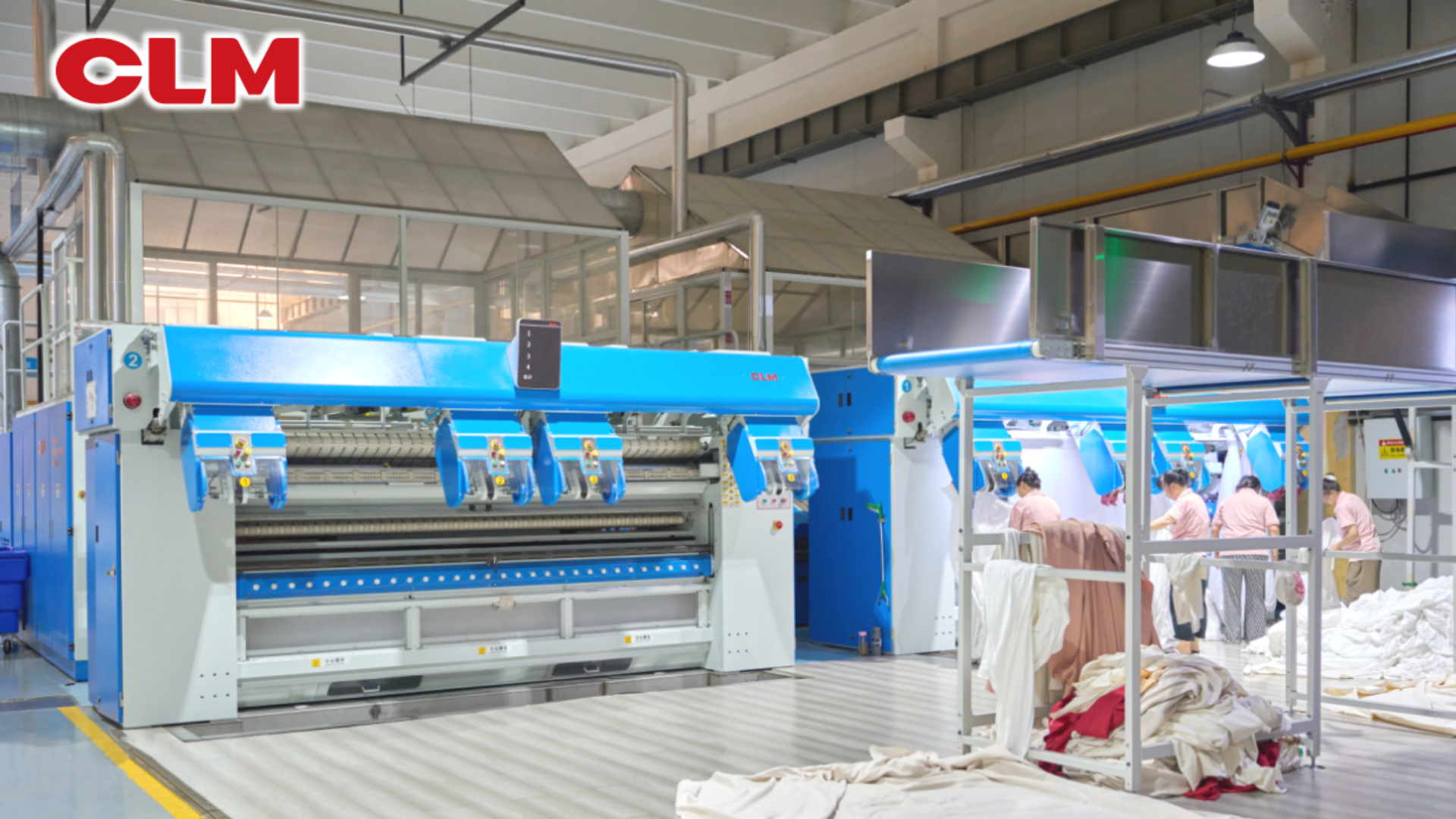
The above processing issues also bring about an effect that is easily neglected: factory image. When hotel customers visit a laundry factory, the sorting area is always the first area they see. If a large amount of linen is piled up on site, involves frequent manual handling, and requires ground sorting, it is likely that customers will have doubts about the management level of the factory.
This first impression always affects the customers’ judgment of the enterprise’s professional and standardized management capabilities, thereby influencing the degree of trust in cooperation.
Conclusion
The current linen circulation mode of many laundry factories is actually a mode of high costs and low efficiency. This mode not only causes the inner labor waste and hygienic risks, but also damages an enterprise’s competitiveness in the market.
To break down this loop, the overall process should be designed again.
● automatic sorting system
● optimize the logistics layout in the factory
● use standardized turnover containers
By these methods, a highly efficient, closed, and standardized linen circulation system can be built gradually.
The phenomenon of sorting linen on the ground is also one of the most obvious differences between domestic laundry factories and those in the United States and other developed countries. In many overseas laundry factories, linen usually directly enters the sorting process via an automatic logistics system. Large-scale ground sorting is seldom, so the laundry factories are more standardized in terms of management and hygiene.
Post time: Mar-27-2026