
In the operational costs of industrial linen laundry plants, thermal energy consumption is the third essential expense after labor costs and equipment depreciation. In the industry, different laundry plants have similar laundry equipment and daily production capacity. But they have a big difference in unit thermal energy consumption.
Steam and gas costs remain high all year round in some factories. Steam distribution pressure is unstable. Linen washing and drying quality is unstable. However, there are some advanced laundry plants. They strictly manage thermal energy costs. So the production line operates smoothly. Products have a high pass rate. The equipment failure rate is significantly lowered. The difference is not caused by the laundry owners’ weak energy-saving awareness. The thermal energy system can be seen as a complete operation system, which is accounted for, detected, and optimized. It is not just a monthly expense.
Kingstar has several years of experience in smart industrial laundry equipment. It serves thousands of scaled healthcare and hotel linen laundry plants at home and abroad. Kingstar finds that thermal energy management is not a single energy-saving work. It is a key cycle for the digital operation of smart laundry plants. A premium thermal energy control model can upgrade costs, quality, and production capacity.
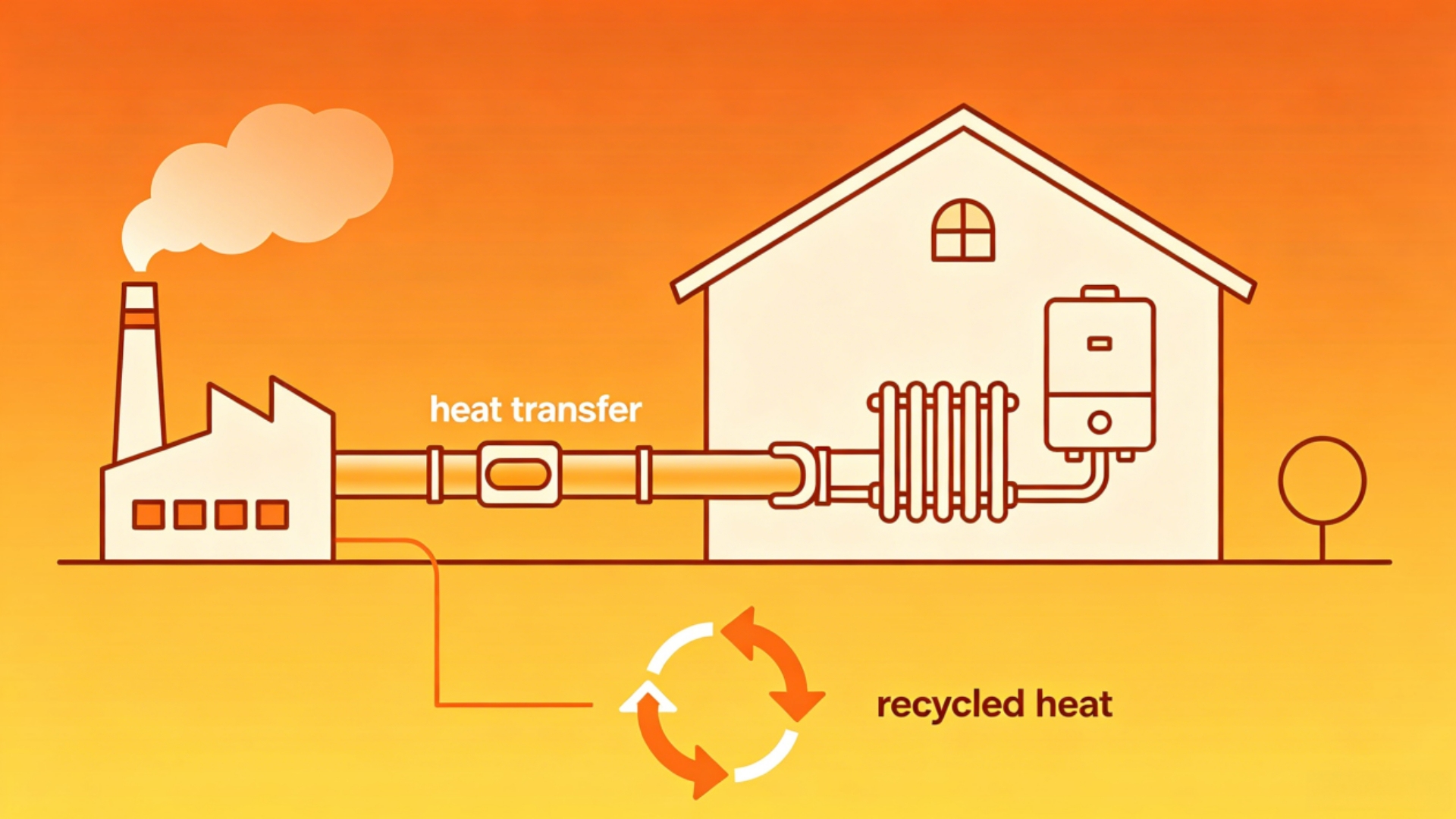
Reposition Thermal Energy
Major laundry plants have reached a consensus. Thermal energy directly determines the linen cleanliness, high-temperature disinfection compliance, drying efficiency, ironing flatness, and production line efficiency. These plants establish an entire management system based on thermal energy. The three keys are as follows.
● Energy consumption data
Account for the steam, gas, and electricity unit consumption of linen per ton. Secure the peak heat and fluctuation causes in every process.
● Operational parameters
Manage key parameters, including steam pressure, drainage, condensate temperature, and exhaust air temperature and humidity in drying. This avoids disorder fluctuations.
● System problems
Lower the temperature when energy consumption issues occur. And delay starting and stopping the equipment. Root causes should be inspected systematically, such as steam quality, end adjustment, condensate return, pipeline insulation and leakage, and equipment techniques.
However, some laundry plants see thermal energy costs as a fixed expense. They just lower the heating temperature and shut off the heat source equipment to save energy. Finally, energy consumption increases. Secondary problems occur, such as rewash, ironing wrinkles, and poor production capacity. Hidden costs continue rising.
Systematic Thermal Energy Management
Data directly reflects the difference in thermal energy management. Low-effective plants only check the total steam reading. They fail to split data according to production capacity, linen category, work shift, and independent process. Small fluctuations in production cannot tell whether it is a normal change or a heat system failure.
Kingstar solutions for smart laundry plants help customers build a three-layer energy consumption framework.
● Total steam/gas unit consumption per ton;
● Energy consumption and load utilization rate produced by core machines, such as the tunnel washer system, dryer, and high-speed ironing line;
● Heat recovery efficiency indicators of condensate return rate, backwater temperature, and system water makeup.
After establishing an entire energy consumption system, energy saving can be supported by data, not depending on experience.
Many plants have a insufficient steam supply. This is not caused by poor boiler heat capacity. The distribution pipeline network and end equipment lead to much loss. The pressure-reducing station is unstable. Ineffective steam traps trigger the water hammer effect. End valves are always open. Air exhaustion is excessive in drying. Pipeline thermal insulation is damaged. Steam leaks have not been repaired for a long time.
Laundry plants should optimize from the steam end. Check out the actual needed steam pressure, heat exchange efficiency, as well as drainage and backwater smoothness. The boiler load lowers as the steam consumption reduces. Many operators think that the temperature should only reach the standard. But in the same environment, energy consumption is increased by heat exchanger scaling, wet steam carryover, and excessive exhaust air. Kingstar automated production line has built-in temperature, humidity, and pressure coordinated control models. They monitor heat exchange efficiency in real time. Uneven drying and slow heating are avoided at the source.
Three Misunderstandings
● Blindly reduce pressure & save energy
Only turn down the valves and steam pressure. This prolongs the washing and drying time. Production issues occur, such as a rising rewash rate and linen unit energy consumption. Energy-saving optimization should be based on qualified techniques and proper operational efficiency.
● Value equipment purchase above maintenance
Small problems continue causing thermal energy loss, such as steam trap failure, pipeline leakage, insulation damage, inaccurate temperature and pressure measurement, and heat exchanger scaling. A long-term fixed capital loss has developed.
● Fully depend on experience
The first-line practical experience is essential. But with the change of capacity structure, production line, and laundry formula, the heat system fails to be managed consistently by personal experience.
Essential Management Methods
Laundry operators do not need to be professional thermodynamic engineers. However, they should establish a standardized management framework.
● Account
Collect data, including output, shift, linen categories, and condensate return rate. Establish a standardized unit energy consumption system.
● Detect
Manage key operational conditions, such as steam distribution manifold, pressure reducing device, steam trap system, condensate return, end heat exchange, and air exhaustion.
● Inspect
Regularly check noticeable issues, such as leaks, insulation damage, pressure fluctuations, and abnormal backwater.
● Optimize
Repair leaks and insulation damage first. Improve the drainage and condensate return rate. Then adjust the steam pressure and production efficiency grade by grade. Finally, upgrade the matched heat source equipment as needed.
Mastering the essential methods, laundry plants can manage equipment suppliers, engineering teams, and internal maintenance groups. A sustainable energy-saving model will be developed. The continuous production advantage of automatic equipment (Kingstar tunnel washer system and high-speed ironing line) will also be maximized.
Q&A
Q1: Why do two factories using the same laundry equipment have a big difference in steam energy consumption?
A1: The difference does not lie in the equipment itself. Laundry plants should account for thermal energy data by dividing processes and shifts. Manage the distribution consumption, such as pipeline networks, drainage, thermal insulation, and condensate return. Coordinated match production line efficiency and heat source supply.
Q2: Can lowering steam pressure and thermal energy achieve stable energy-saving results?
A2: No. Blindly reducing pressure prolongs the processing time and increases the rewash rate. The entire automatic production line efficiency is delayed. The total linen energy consumption rises. Performing energy saving should be based on the standardized techniques and normal operations.
Q3: Can Kingstar provide services for thermal energy systems for customers?
A3: Yes. Besides automatic laundry equipment, Kingstar offers design services for smart laundry plants. Thermal energy system layout, energy consumption monitor, and heat source coordinated adjustment can be integrated into a solution. This meets customer energy-saving demands.
Post time: Jul-10-2026