
Recently, the global oil prices have been fluctuating, and geopolitical situations are unsettled. The global energy market is still filled with uncertainty. At the same time, cotton, chemical fibers, and other textile raw materials also fluctuated. The cost pressure from the upstream is passed down along the industrial chain. It drives up the costs of all links, including fabric, weaving, printing and dyeing, and logistics.
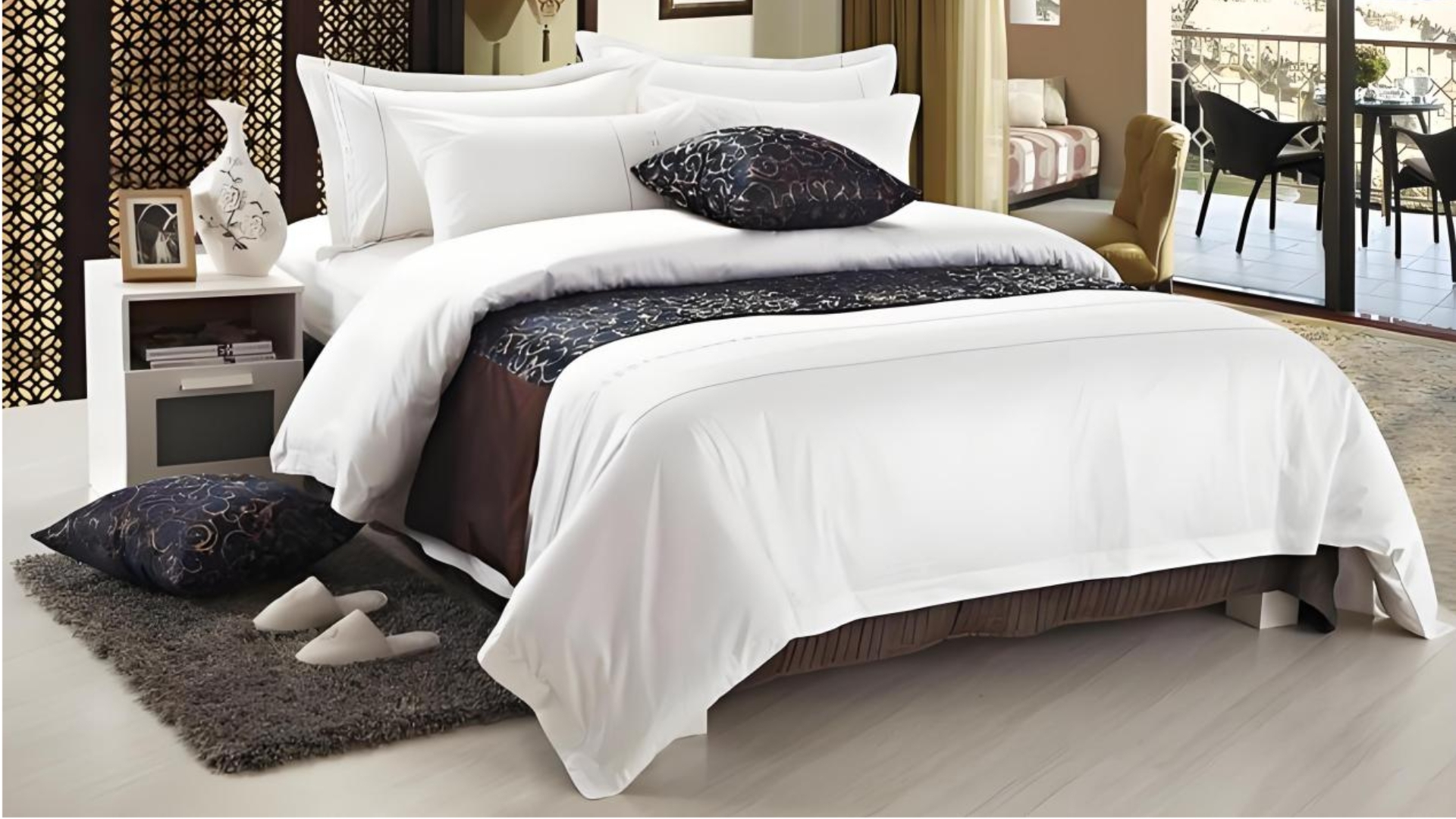
The change of hotel linen entering the phased price adjustment affects the hotel procurement and the hotel linen laundry factories. This has once again put the laundry industry, which was already operating at a low profit margin, under the dual tests of cost and operation.
For laundry operators worldwide, energy and raw materials are not just macro data. They are real factors that directly determine energy consumption costs, linen loss rates, customer bargaining power, and profit margins.
Real Impact of Fluctuating Costs on Laundry Plants and Laundry Industry
● Rising energy costs
The laundry industry is typically energy-intensive. Water, electricity, steam, and gas account for a very high proportion of total operating costs. Higher global oil prices directly push up prices of gas, electricity, and logistics. Chemical fiber materials are closely linked to the oil industrial chain, so they increase costs across the linen supply chain.
For small and medium-sized laundry plants still using traditional equipment, problems such as high energy consumption, low thermal efficiency, and insufficient water recycling rate are further magnified. With the same production capacity, energy expenditure rises greatly.
● Higher linen prices and faster linen loss
Linen costs are directly tied to cotton and chemical fiber prices. Rising linen prices mean hotels pay more attention to linen service life, so the laundry plants need to meet stricter damage rate requirements.
Raw material fluctuations lead to differences in density, weight per square meter, and wash resistance among linen batches. This sets higher requirements for washing processes, temperature control, and chemical dosage ratios. Unstable processes easily cause linen yellowing, damage, and hardening. Finally, laundry plants have to shoulder the risks of compensation and customer loss.
● Cost pressure from hotels
Faced with rising expenses on linen procurement, environmental compliance, labor, and energy consumption, hotels generally adopt a cost-cutting strategy. They lower laundry unit prices, extend payment cycles, raise standards for delivery and cleanliness, and strictly control linen loss.
This means laundry plants can hardly raise prices freely, but real costs keep climbing. The low-price order-grabbing model is becoming unsustainable. The industry is rapidly shifting from price competition to competition in operational efficiency, cost control, and stable service delivery.
● Industry differentiation
Cost fluctuations are actually an industry stress test.
Plants relying on high-energy-consumption equipment, large labor teams, and extensive management will be the first to struggle with cost pressures.
By contrast, plants with stable low-energy equipment and high automation can take orders at lower unit costs and further expand their competitive advantages.
In the long run, periodic fluctuations in energy and raw material prices will become normal. Laundry plants with strong risk resilience will get greater customer trust and a larger market share.
Cost Cycles
Faced with persistent external market volatility, panic, wait-and-see attitudes, or passive endurance are not long-term solutions. The real way out is improving internal efficiency, increasing benefits from equipment, and boosting profits through refined management.
● Energy saving
When oil, steam, and electricity prices rise, cutting chemical usage or labor costs is not the best solution. The most effective approach is to reduce unit consumption fundamentally by upgrading equipment.
High-efficiency laundry equipment can cut water, electricity, and steam consumption by 20%–35%. The annual cost savings often far exceed the equipment investment. For long-term laundry operation, energy conservation equals guaranteed profits.
● Reliable equipment
Many laundry plants only focus on visible costs and ignore hidden losses caused by linen damage, rework, and customer complaints.
Modern laundry systems with precise temperature control, accurate liquid level regulation, and intelligent drying can greatly reduce linen wear, scalding, over-washing, and hardening, and effectively extend linen service life. Reducing damage directly means higher profits.
● Automation
Labor shortages are common globally. (festivals, farming seasons, immigration policies, demographic changes…)
Automated sorting, conveying, folding, and stacking systems reduce reliance on skilled workers, stabilize production capacity, and further lower unit operating costs.
● Build long-term rational cooperation with clients
Markets follow cycles, and cooperation lasts long-term. Laundry plants may share real-time market trends of raw materials, energy, and linen prices with hotels. Professional expertise and stable service delivery can win reasonable pricing. Laundries that have consistent quality and delivery efficiency during fluctuation are more likely to become core suppliers for hotels.
Kingstar Automation Solution
Kingstar Automation always provides high-efficiency, stable, energy-saving, and reliable industrial laundry equipment to help global laundry plants build cycle-resilient operational capabilities.
● Tunnel washer system
It optimizes washing procedures and water recycling systems to cut water, steam, and power consumption, so it directly offsets rising energy costs.
● High-speed ironing lines
It has precise temperature control to reduce linen damage as much as possible, improve one-pass finishing rate, and reduce rework and loss.
● Full-plant automated solution
From sorting, conveying, and folding to stacking, it helps reduce labor dependence and stabilize production capacity.
● Stable and low-failure design
It reduces downtime, maintenance, and spare part costs. Also, it ensures continuous operation during peak seasons and market fluctuations.
Conclusion
Kingstar Automation is not only an equipment supplier but also a long-term business partner of the laundry plants. With mature global full-plant planning experience, we help clients control costs during upward market cycles and expand competitive advantages in stable periods. This achieves sustainable business operation.
Q&A
Q1: What is the most direct impact of rising oil and raw material prices on laundry plants?
A1: Higher energy costs, increased risks of linen loss, and stronger price pressure from hotels.
Q2: What is the most practical and effective way for small and medium laundries to cope with rising costs?
A2: People should first consider energy saving and linen loss reduction. High-efficiency washing and drying equipment cut water, electricity, and steam consumption. Also, people can apply stable processes to reduce linen damage and improve automation to lower reliance on manual labor.
Q3: Will energy and raw material fluctuations become normal? What long-term preparations should laundries make?
A3: Periodic market fluctuations will become the new normal. In the long run, laundries need to upgrade energy-saving and automated laundry equipment, use optimized management, and build long-term stable cooperation with hotels to have risk-resilient capabilities.
Post time: May-21-2026