

When selecting liquid detergents, many laundry factories are confused because two products with a similar appearance and viscosity have totally different washing effects. One with a lower dosage, fast dissolution, and strong detergency makes the washed linen clean and bright. The other which has a larger dosage, slow dissolution, and little foam, makes the linen sticky. And no matter how factories rinse it, it looks like it hasn’t been washed clean.
Why do liquid detergents have a similar appearance but different effects? Can viscosity represent the quality of a product? This article will detailedly talk about the connection between viscosity, components, and the actual washing effects of liquid detergent to help laundry factories avoid misunderstandings of product selection.
Viscosity is Adjustable
First of all, the viscosity of liquid detergents is not fixed, but can be adjusted. Detergent manufactures will adjust the viscosity and color of products with technology according to product positioning, usage scenarios, and market habits, to improve their appearance and value. For example, some products will be increased in viscosity deliberately in order to make consumers feel that they are thick and have enough materials and good quality. In other words, viscosity refers more to the design of appearance and experience. It has no necessary links with the washing ability of products. Factories shouldn’t judge the quality of detergents just by the viscosity.
High Viscosity ≠ Strong Detergency
Many people feel unconsciously that thicker detergents use more materials and have stronger detergency. This is actually a very typical cognitive misunderstanding.
The viscosity of materials is not directly related to detergency. Products with high viscosity may not fully remove the stains. On the contrary, truly premium products may have low viscosity or even be thin.
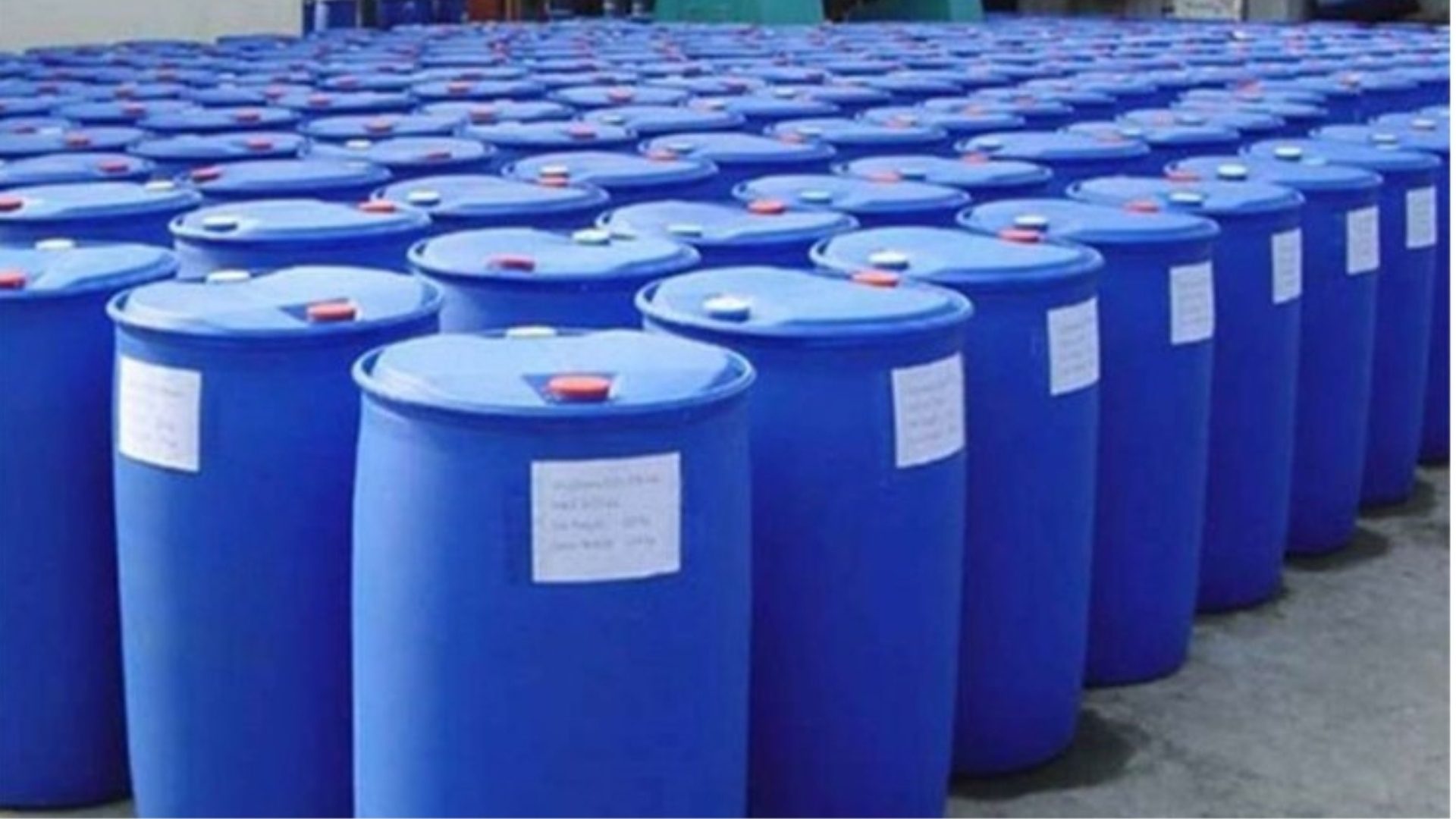
Surfactant Content is the Core
Surfactant is crucial to the washing effect. It is the key effective component of detergents in charge of emulsifying oil stains, dispersing dirt, and reducing the surface tension of water, to truly achieve the detergency aim. The core indicator to judge the quality of detergents is the surfactant content. The higher the content is, the stronger it will be.
Besides, ingredients such as detergent aids, water softeners, and emulsifiers can also improve the detergency effects. The final washing performance depends on the overall ingredients, not the viscosity. In short, viscosity is the appearance, and surfactant content is the key to detergency.
The Reasons for Different Effects
The liquid detergent viscosity can be mainly divided into two categories: natural viscosity and artificial thickening. This is the root reason why two similar products have different effects.
– Natural Viscosity: This type of product is incredible. Under conditions of reasonable ingredients, it is naturally viscous without extra thickening. The higher the active substance is, the more natural the viscosity is. This detergent dissolves fast in water and has strong detergency. Only a little bit of detergent can rinse the clothes clean and less sticky.
– Artificial Thickening: This type of product is specious. It has lower surfactant content, even far below the standard. In order to imitate the high-content products’ appearance, some manufacturers will add inorganic salt, thickeners, and other components to thicken it forcibly. For example, some products only have about 2% surfactant content, but this can be made up to 15% through thickening methods. They look viscous, while having very few true active components.
This typical non-standard and inferior product looks thick, dissolves slowly, and has little foam. It will not only increase the using dosage, but also cause many residues, which are not easy to rinse and affect the whole washing quality.
Tips for Selecting Liquid Detergent
Below is a set of simple and practical product selection ways based on the actual use scenarios of hotel and hospital washing. Both belong to large-scale washing, where tunnel washers or industrial washers with automatic material systems are often used.
– Automatic Distribution Feeder: Prioritize products with low viscosity, high activity, no scent, and no bad smell. They have good fluidity and a stable feeder without blocking the pipelines.
– Manual Feeder: Choose products with moderate viscosity. Remember to have some protection during the operation process.
Detergents in industrial washing should have features like stable detergency, controllable cost, and low wastage, rather than “looking viscous”.
Conclusion
When choosing detergents, don’t focus on the viscosity, price, and appearance, but on the components, effects, and practice. The viscosity can be adjusted, but the detergency, active substance content, and ingredient stability can not be faked. A premium detergent can not only save on the dosage and cost, but also reduce linen wastage and improve washing quality in the long run.
Q&A
Q1: Which one has a strong detergency, powder or liquid detergent?
A1: It depends on the active substance content. If it is comparable, the detergency will be close.
Q2: Do tunnel washers generally use powder or liquid detergent?
A2: Tunnel washer is connected to the automatic distributor. So liquid detergent is often used.
Q3: How to lay out the steam and boiler room in the laundry factory?
A3: It is suggested that boiler or steam generators should be installed close to the production workshop to reduce pipeline heat loss, and meet the safety regulations of fire prevention, explosion-proof, pressure relief, and ventilation.
Post time: May-07-2026